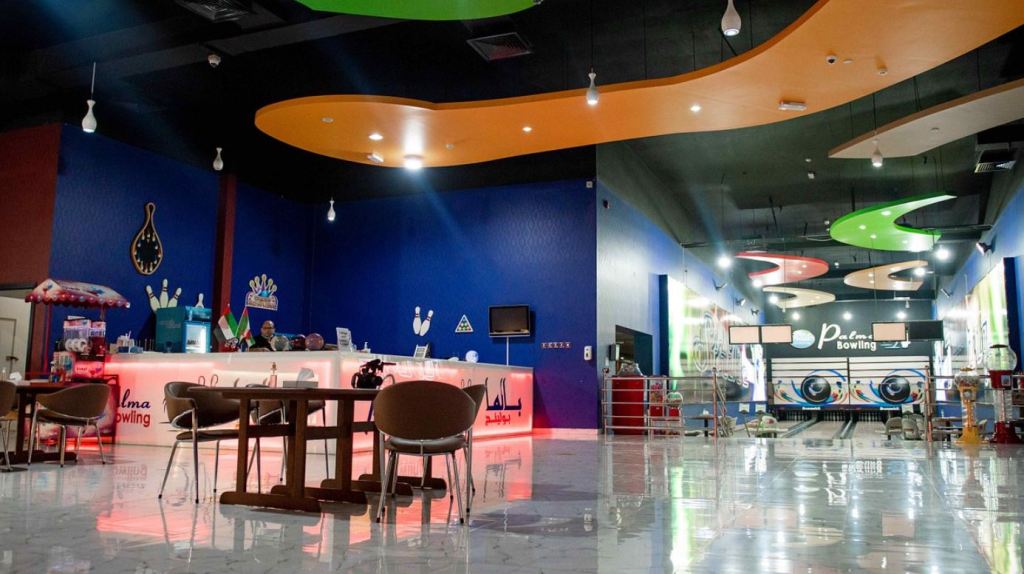
Beautiful Ajman City Centre in Ajman UAE

Ajman City Centre is one of the most prominent lifestyle and shopping destinations in the Emirate of Ajman, offering a vibrant mix of retail, dining, entertainment, and community experiences under one roof. Strategically located on Sheikh Khalifa Bin Zayed Street, the mall is easily accessible from all parts of Ajman as well as neighboring emirates such as Sharjah and Umm Al Quwain. Since its opening, Ajman City Centre has become a central hub for residents and visitors seeking convenience, comfort, and a modern shopping environment that caters to all age groups and lifestyles.

Umrah Packages 2026

The mall features a well-planned layout with a wide variety of international and regional retail brands. From fashion and accessories to electronics, home décor, and everyday essentials, Ajman City Centre provides a comprehensive shopping experience. Popular clothing brands attract style-conscious shoppers, while specialty stores and kiosks add diversity and uniqueness to the retail mix. A large hypermarket serves as an anchor tenant, making the mall a preferred destination for weekly grocery shopping and household needs, further enhancing its role as a community-focused center.

Umrah Packages by Bus 2026

Dining at Ajman City Centre is equally diverse, with a range of options that suit every taste and budget. Visitors can enjoy international fast-food chains, casual dining restaurants, and cafés offering everything from quick snacks to full meals. The food court is a lively space where families and friends gather, while standalone restaurants provide a more relaxed atmosphere for longer dining experiences. Coffee shops scattered throughout the mall offer comfortable spots for socializing, working remotely, or taking a break between shopping sessions.

Umrah Packages by Air 2026

Entertainment and leisure are key highlights of Ajman City Centre, making it more than just a retail destination. A modern cinema complex provides the latest movie releases in a comfortable and immersive setting, attracting movie enthusiasts of all ages. For families with children, dedicated play areas and entertainment zones ensure that younger visitors are engaged and entertained, allowing parents to shop and relax with peace of mind. Seasonal events, promotions, and family-friendly activities further add to the mall’s lively and welcoming atmosphere.

Ajman City Centre is also designed with convenience and accessibility in mind. Spacious interiors, clear signage, and well-organized parking facilities make navigation easy and stress-free. The mall is fully air-conditioned, offering a pleasant environment throughout the year, especially during the hot summer months. Facilities such as prayer rooms, baby-changing areas, and accessible entrances reflect the mall’s commitment to inclusivity and comfort for all visitors.

Umrah Package by bus from Dubai Sharjah Ajman UAE

Beyond shopping and entertainment, Ajman City Centre plays an important role in the social and economic life of the emirate. It serves as a gathering place where communities connect, celebrate, and spend quality time together. The mall supports local employment and contributes to the growth of Ajman’s retail and service sectors. Its regular promotional campaigns and festive decorations during holidays and special occasions create a sense of excitement and anticipation, drawing repeat visitors and enhancing customer loyalty.

Umrah Package by Air from Dubai Sharjah Ajman UAE

In essence, Ajman City Centre represents the modern spirit of Ajman, combining convenience, variety, and entertainment in a single destination. Whether visitors are looking to shop for the latest trends, enjoy a meal with loved ones, watch a movie, or simply spend a relaxed day indoors, the mall offers an experience that caters to diverse needs and preferences. Its continued popularity highlights its success in meeting the expectations of a growing and dynamic community, making Ajman City Centre a cornerstone of everyday life in the emirate.

Beautiful Ajman Museum in Ajman UAE

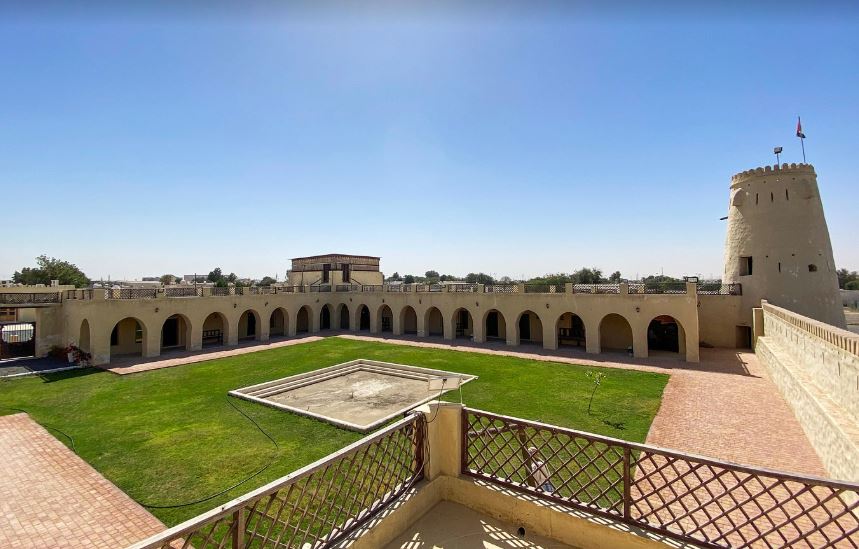
Ajman Museum stands as one of the most important cultural landmarks in the emirate of Ajman, offering visitors a deep insight into the region’s rich history, heritage, and traditional way of life. Housed within the historic Ajman Fort, the museum reflects the transformation of Ajman from a small coastal settlement into a modern emirate while preserving the memory of its past. The fort itself is an architectural treasure, and its conversion into a museum has allowed it to continue serving the community as a center of learning and cultural pride.

Umrah Packages from Dubai UAE

The origins of Ajman Fort date back to the late eighteenth century, when it was built as a stronghold to protect the ruling family and the town from external threats. Over time, the fort served multiple purposes, including acting as a ruler’s residence, a defensive structure, and later a police station. Its thick walls, watchtowers, and strategic layout demonstrate the defensive needs of the era, while also showcasing traditional Emirati construction techniques that relied on coral stone, gypsum, and palm trunks. When the fort was restored and opened as Ajman Museum, it became a living testament to the emirate’s enduring heritage.

Umrah Packages by Bus from Dubai UAE

Inside the museum, visitors are taken on a journey through Ajman’s social, economic, and cultural history. The exhibits are carefully arranged to recreate scenes from daily life in the past, allowing guests to visualize how people lived, worked, and interacted with their environment. Life-sized dioramas depict traditional occupations such as fishing, pearl diving, farming, and trading, which were once the backbone of the local economy. These displays help convey the resilience and adaptability of the people who depended on the sea and the land for survival.

Umrah Packages by Air from Dubai UAE

One of the most captivating sections of Ajman Museum focuses on the pearl diving industry, which played a vital role in the region’s economy before the discovery of oil. The exhibits illustrate the tools used by divers, the dangers they faced, and the discipline required for long diving seasons. Through these displays, the museum honors the courage and perseverance of those who risked their lives to provide for their families, shaping the identity of coastal communities across the UAE.

The museum also highlights traditional Emirati customs and domestic life. Exhibits showcasing old kitchens, majlis seating areas, and wedding traditions offer a glimpse into family life and social values. Household items such as pottery, utensils, clothing, and jewelry reveal the craftsmanship and aesthetic sensibilities of earlier generations. These artifacts emphasize the importance of hospitality, community bonds, and respect for tradition, which remain central to Emirati culture today.

Umrah Packages from Dubai Sharjah Ajman UAE

Another important aspect of Ajman Museum is its collection of archaeological artifacts. These items, some dating back thousands of years, demonstrate that the area has been inhabited since ancient times. Pottery fragments, tools, and burial remains provide evidence of early human activity and trade connections with neighboring regions. Such discoveries highlight Ajman’s historical significance within the broader context of Arabian and Gulf history.

Umrah Visa from Dubai Sharjah Ajman UAE

Today, Ajman Museum plays a vital role in preserving and promoting the emirate’s heritage. It serves as an educational resource for students, a point of interest for tourists, and a symbol of pride for local residents. By bridging the past and the present, the museum ensures that future generations understand the sacrifices, traditions, and values that shaped their society. Ajman Museum remains a powerful reminder that progress is most meaningful when it is rooted in an understanding of history and cultural identity.

Attab Fort Architectural and cultural Heritage of UAE

Attab Fort stands as a quiet yet meaningful symbol of the United Arab Emirates’ rich architectural and cultural heritage. Like many historic forts across the region, Attab Fort was built to serve both defensive and social purposes, reflecting the realities of life in earlier centuries when security, governance, and community life were closely connected. Its sturdy construction and strategic location highlight the importance of protection and oversight in a time when settlements depended on forts to safeguard people, resources, and trade routes.

Umrah Packages 2026 5 Star Umrah Package

The design of Attab Fort follows traditional Emirati fortification principles, emphasizing strength, durability, and functionality. Thick walls made from locally available materials such as stone, coral, and mud bricks helped regulate interior temperatures while providing resilience against harsh weather and potential attacks. The fort’s layout was carefully planned to allow defenders clear views of the surrounding area, enabling early detection of approaching threats. Narrow openings and elevated vantage points demonstrate how architecture was adapted to the needs of security without unnecessary ornamentation.

Umrah Visa from Dubai 2026

Historically, Attab Fort played a vital role in the life of the surrounding community. It functioned not only as a military stronghold but also as a center of administration and decision-making. Tribal leaders and local authorities often used such forts as places to resolve disputes, store valuable goods, and manage daily affairs. This dual role made the fort an integral part of social organization, reinforcing its importance beyond purely defensive functions.

The location of Attab Fort was chosen with great care, reflecting an understanding of geography and survival in the desert environment. Positioned to oversee nearby settlements, water sources, or routes of movement, the fort helped ensure control over essential resources. In a region where water and safe passage were critical, the presence of a fort provided reassurance and stability to local inhabitants, encouraging settlement and agricultural activity.

Umrah Package from Dubai and Sharjah 2026

Life inside Attab Fort would have been disciplined and purposeful. Guards maintained constant watch, while residents followed routines shaped by prayer times, seasonal changes, and community responsibilities. Storage areas within the fort housed food supplies, weapons, and tools, ensuring readiness during times of conflict or scarcity. The inner spaces were designed to support daily life while remaining adaptable to emergency situations.

Umrah Package by bus from Dubai and Sharjah 2026

Over time, Attab Fort witnessed significant changes as the UAE transitioned from traditional tribal societies to a modern nation. Advances in technology and governance reduced the need for defensive structures, but the fort’s historical value only increased. It became a tangible reminder of resilience, cooperation, and strategic thinking that defined earlier generations. Each stone and wall carries stories of perseverance and adaptation in a challenging environment.

Umrah Package by Air from Dubai and Sharjah 2026

In recent years, there has been growing recognition of the importance of preserving historical sites like Attab Fort. Conservation efforts aim to protect the structure from natural decay while maintaining its original character. Such preservation allows future generations to connect with their heritage and gain insight into the architectural and cultural foundations of the UAE. Restored forts also serve as educational landmarks, helping visitors understand the region’s past in a meaningful way.

The Red Fort in Manama Ajman UAE

The Red Fort in Manama, UAE, stands as a striking reminder of the country’s pre-oil past and its long tradition of resilience, community life, and regional defense. Located in the inland town of Manama, which belongs to the Emirate of Ajman, the fort is known for its distinctive reddish color that comes from the stones and materials used in its construction. Surrounded by mountains, date palm groves, and traditional settlements, the Red Fort occupies a strategic position that once allowed it to oversee trade routes and protect the local population from external threats.

Umrah by Bus Packages from Dubai

Historically, the Red Fort was constructed in the nineteenth century and served as an important defensive structure for the region. During that period, inland settlements such as Manama were vital centers for agriculture and trade, particularly for dates and other local products. The fort acted as a stronghold for local rulers and tribal leaders, providing security in times of conflict and instability. Its elevated location allowed guards to monitor movements from a distance, making it an effective point of surveillance and control over the surrounding area.

Umrah by Air Pacakges from Dubai

Architecturally, the Red Fort reflects traditional Emirati fort design, combining functionality with simplicity. Built using locally sourced stone, mud, gypsum, and palm trunks, the structure demonstrates how builders adapted to the harsh desert and mountain environment. The thick walls were designed to withstand attacks and extreme weather, while narrow openings and watchtowers allowed defenders to observe and respond to any approaching danger. The fort’s layout typically includes open courtyards, storage rooms, and defensive towers, all arranged to serve both military and residential purposes.

Umrah Packages Dubai UAE

Beyond its military role, the Red Fort also played a social and administrative function within the Manama community. It was often used as a meeting place where local leaders discussed tribal affairs, resolved disputes, and managed agricultural and economic activities. In times of peace, the fort symbolized authority and stability, reinforcing the connection between leadership and the well-being of the people. This dual role as both a defensive and administrative center highlights the fort’s importance in shaping daily life in the region.

The surrounding landscape adds to the fort’s historical significance. Manama has long been known for its fertile land compared to coastal areas, making agriculture a cornerstone of the local economy. The fort protected farms, water sources, and trade routes that linked Manama with other parts of the UAE. This relationship between the fort and its environment illustrates how heritage structures were deeply connected to survival and prosperity in traditional Emirati society.

Umrah Package by Bus from Dubai Sharjah Ajman UAE

In modern times, the Red Fort in Manama has gained recognition as a valuable cultural and historical landmark. Restoration efforts have helped preserve its original features while making it accessible to visitors and researchers. Today, the fort serves as an educational site where people can learn about the UAE’s architectural heritage, tribal history, and pre-modern defense systems.

Umrah Package by Air from Dubai Sharjah Ajman UAE

Walking through its corridors and courtyards offers a tangible connection to the lives of those who once relied on its walls for protection and governance.
The Red Fort in Manama remains a powerful symbol of endurance and identity in the UAE. It reflects a period when strength, cooperation, and careful use of local resources were essential for survival. As the country continues to modernize, the fort stands as a reminder of the foundations upon which contemporary Emirati society was built, preserving the memory of a time when forts like this were at the heart of community life and regional security.

Beautiful Maria Al Gharbiya Fort in UAE

Maria Al Gharbiya Fort is one of the lesser-known yet historically significant forts of the United Arab Emirates, reflecting the region’s long-standing tradition of defensive architecture and community protection. Located in the western areas of the country, the fort stands as a reminder of a time when settlements were small, resources were precious, and safeguarding people, trade routes, and water sources was a matter of survival. Although not as prominent as some of the UAE’s coastal or mountain forts, Maria Al Gharbiya Fort holds cultural value for understanding how life once functioned in the more remote parts of the region.

Umrah Package from Dubai in Ramadan

The fort was primarily constructed to serve as a defensive stronghold and a watch point over the surrounding land. Like many traditional Emirati forts, it was strategically placed to provide clear views of nearby paths and open areas, allowing early detection of approaching travelers or potential threats. Its location also suggests a close relationship with local agricultural lands and water sources, which were vital for sustaining life in arid environments. The fort acted as both a protective structure and a symbol of authority for the local community.

Umrah Visa from Dubai UAE in 2026

Architecturally, Maria Al Gharbiya Fort follows the simple yet effective design principles common to traditional forts in the UAE. Built using locally available materials such as stone, mud, and palm trunks, the structure was designed to withstand harsh desert conditions. Thick walls provided insulation from heat and protection from attack, while narrow openings served as lookout points and defensive positions. The fort’s layout was practical rather than decorative, emphasizing strength, durability, and functionality over elaborate design.

Umrah Packages 2026

Historically, the fort played an important role in maintaining security and order in the surrounding area. It was often used as a residence for local leaders or guards responsible for protecting the community. From within its walls, decisions were made regarding land use, defense, and the management of resources. The fort also functioned as a safe refuge during times of conflict or instability, offering shelter to residents and their belongings.

Beyond its defensive purpose, Maria Al Gharbiya Fort was closely connected to the social life of the community. It served as a gathering point where people could meet, share news, and resolve disputes. The presence of the fort fostered a sense of unity and protection, reinforcing social bonds among families living nearby. In this way, the fort was not just a military structure but also a center of communal life.

Umrah Package by bus from Dubai and Sharjah

Over time, as the UAE developed and modern security systems replaced traditional defenses, forts like Maria Al Gharbiya gradually lost their original function. However, their historical and cultural importance remained. The fort stands today as a physical link to the past, offering insight into how earlier generations adapted to their environment and organized their societies. It reflects the resilience, ingenuity, and cooperative spirit that characterized life in the region before the discovery of oil.

Umrah Visa from Dubai and Sharjah

Today, Maria Al Gharbiya Fort is valued as a heritage site that contributes to the broader narrative of the UAE’s history. Preserving such forts helps maintain a connection to the nation’s roots and ensures that future generations can learn about traditional architecture, defense strategies, and community life. The fort’s quiet presence in the landscape serves as a reminder of the challenges faced by earlier inhabitants and the strength with which they built their lives.

Umrah Packages from Dubai Sharjah Ajman UAE

In conclusion, Maria Al Gharbiya Fort may not be widely known, but it represents an important chapter in the UAE’s heritage. Through its architecture, location, and historical role, the fort tells a story of protection, leadership, and community resilience. It stands as a symbol of the enduring legacy of the people who shaped the region long before modern development transformed the country.

Historical Mezairaa Fort United Arab Emirates

Mezairaa Fort, also known as Mezairaa or Al Mizairah Fort, stands as a quiet yet powerful symbol of the United Arab Emirates’ inland heritage. Located in the Liwa Oasis region of Abu Dhabi, this historic fort reflects the deep connection between desert communities and their need for protection, governance, and survival. Surrounded by vast dunes and date palm groves, Mezairaa Fort was an essential landmark in a region that served as a lifeline for settlements in the Empty Quarter. Its presence highlights how architecture, geography, and tribal life were closely linked in the traditional Emirati way of living.

Umrah Packages 2026 Dubai UAE

Historically, Mezairaa Fort played a strategic role in safeguarding the fertile oasis of Liwa, which has long been one of the most important agricultural areas in the western region of Abu Dhabi. The oasis was famous for its fresh water wells and date farms, making it a valuable asset that required protection from rival tribes and external threats. The fort functioned not only as a defensive structure but also as a center of authority, helping local leaders maintain order and manage resources in a challenging desert environment.

Umrah Packages by Bus 2026

Architecturally, Mezairaa Fort follows the traditional fort design commonly found across the UAE. Constructed primarily from mud brick, palm trunks, and natural stone, the fort was built using materials readily available in the surrounding environment. Its thick walls provided insulation against extreme heat while also serving as strong defensive barriers. Watchtowers placed at strategic corners allowed guards to monitor the surrounding desert and oasis, offering early warning of approaching danger. The simple yet effective design reflects the practical needs of desert life rather than decorative ambitions.

Umrah Packages by Air 2026

Inside the fort, spaces were carefully arranged to serve multiple purposes. Rooms were used for storage of food supplies, weapons, and water, while open courtyards allowed for gatherings and daily activities. These courtyards also improved ventilation, making the interior more comfortable during the hot summer months. The fort likely housed soldiers, guards, and sometimes members of ruling families, reinforcing its role as both a military and administrative hub. Every part of the structure was designed with functionality in mind, ensuring resilience and efficiency.

Beyond its defensive role, Mezairaa Fort also held social and cultural importance. It served as a place where community decisions were made, disputes were settled, and alliances were strengthened. In desert societies, forts were symbols of stability and leadership, offering reassurance to nearby residents during uncertain times. The fort’s presence helped shape the identity of Mezairaa as a settled and organized community within the wider Liwa region.

Umrah Package from Dubai and Sharjah

In modern times, Mezairaa Fort stands as a reminder of the UAE’s pre-oil history and the endurance of its people. Although no longer used for defense, the fort continues to represent the ingenuity and determination that allowed early Emiratis to thrive in harsh conditions. Efforts to preserve such structures reflect the country’s commitment to protecting its cultural heritage while educating future generations about their roots. Visitors to the area can sense the quiet strength of the fort, which contrasts beautifully with the vast openness of the surrounding desert.

Umrah Package by Air from Dubai and Sharjah

Mezairaa Fort may not be as widely known as some coastal forts, but its historical value is equally significant. It tells the story of inland life, oasis protection, and tribal cooperation in the UAE’s western region. As a landmark of resilience and tradition, Mezairaa Fort remains an enduring symbol of the nation’s journey from desert settlements to a modern state grounded in respect for its past.

Sheikh Obaid bin Thani House UAE

Sheikh Obaid bin Thani House stands as a quiet yet powerful symbol of the early social, political, and architectural development of the United Arab Emirates. Located in the historic heart of Dubai, this traditional residence reflects the lifestyle of prominent Emirati families during the late nineteenth and early twentieth centuries. More than a private dwelling, the house represents an era when leadership, community, and daily life were closely intertwined, offering valuable insight into how early rulers and influential figures lived before the discovery of oil transformed the region.

Umrah Visa 2026 from Dubai UAE

The house belonged to Sheikh Obaid bin Thani, a respected member of the Al Maktoum family, whose influence played a role in shaping the foundations of Dubai’s leadership and governance. During his time, homes of prominent figures were not only living spaces but also centers for discussion, hospitality, and decision-making. Sheikh Obaid bin Thani House reflects this multifunctional role, serving as a place where family life, tribal relations, and administrative matters coexisted within the same walls. Its presence highlights the importance of personal leadership and community engagement in Emirati society.

Umrah by Bus from Dubai 2026

Architecturally, the house is a fine example of traditional Emirati residential design adapted to the harsh desert climate. Built using locally available materials such as coral stone, gypsum, palm fronds, and teak wood, the structure demonstrates a deep understanding of environmental conditions. Thick walls helped insulate the interior from intense heat, while narrow windows reduced direct sunlight while allowing airflow. These construction techniques reveal how early builders prioritized comfort and sustainability long before modern technologies were available.

Umrah by Air from Dubai 2026

One of the most notable features of Sheikh Obaid bin Thani House is its internal courtyard, a defining element of Gulf architecture. The courtyard served as the heart of the home, providing a private open space for family activities while promoting ventilation and natural cooling. Surrounding rooms opened into this courtyard, ensuring both privacy from the outside world and a sense of unity within the household. This layout also reflected cultural values that emphasized modesty, family bonds, and separation between public and private spaces.

The house also illustrates the social customs of the time, particularly the importance of hospitality. A dedicated majlis, or guest reception area, was an essential part of the residence. This space was used to welcome visitors, conduct meetings, and discuss matters affecting the community. The majlis symbolized respect, generosity, and open dialogue, reinforcing the role of the homeowner as a leader and mediator within society. Through this space, Sheikh Obaid bin Thani House embodies the traditions of consultation and hospitality that remain central to Emirati culture today.

Umrah Package from Dubai and Sharjah for Couple

Over the years, the house has gained historical significance as one of the preserved landmarks that connect modern Dubai with its pre-oil past. As skyscrapers and contemporary developments define the city’s skyline, traditional houses like this one offer a contrast that reminds visitors of Dubai’s humble beginnings. The preservation of Sheikh Obaid bin Thani House reflects a broader national commitment to safeguarding cultural heritage and passing it on to future generations.

Umrah Package by bus from Dubai and Sharjah for Couple

Today, Sheikh Obaid bin Thani House stands as a valuable cultural and educational site. It allows residents and visitors to explore the daily life, values, and architectural ingenuity of early Emirati society. By walking through its rooms and courtyards, one can better understand how leadership, family, and environment shaped the foundations of the UAE. The house is not merely an old building; it is a living narrative that bridges the past and present, reinforcing the importance of heritage in shaping national identity.

Beautiful Sakamkam Fort in United Arab Emirates

Sakamkam Fort is one of the lesser-known yet historically meaningful heritage landmarks in the United Arab Emirates, reflecting the region’s deep-rooted traditions of defense, community life, and architectural ingenuity. Located in the coastal city of Fujairah, Sakamkam Fort stands as a reminder of the strategic importance of the eastern region of the UAE, which historically served as a vital link between inland settlements and the Gulf of Oman. Although modest in size compared to larger forts in the country, its cultural and historical value makes it an important symbol of local resilience and identity.

Umrah Package 2026 – 3 Star Umrah Packages

The fort was originally constructed to protect the surrounding settlement of Sakamkam, an area that played a key role in supporting coastal and mountain communities. Like many traditional forts in the UAE, Sakamkam Fort was designed primarily for defense and surveillance. Its elevated position allowed guards to monitor movement across nearby routes, ensuring early warning against potential threats. The fort’s location also helped safeguard local water sources, trade paths, and agricultural lands, all of which were essential for sustaining life in the harsh environment of the region.

Umrah Package by Bus 2026 – 3 Star Umrah Packages

Architecturally, Sakamkam Fort follows the traditional building techniques common to eastern UAE forts. It was constructed using locally sourced materials such as stone, mud, and palm trunks, which provided natural insulation against heat while ensuring durability. Thick walls were a defining feature, offering protection from attacks and helping to regulate indoor temperatures. The fort’s compact layout reflects practical design rather than grandeur, emphasizing function and security over decoration. Small windows and openings were strategically placed to allow visibility while limiting access for intruders.

Umrah Package by Air 2026 – 3 Star Umrah Packages

Inside the fort, spaces were organized to serve multiple purposes. Rooms were used for storage of food, weapons, and supplies, while other areas accommodated guards or local leaders responsible for overseeing the settlement. The rooftop played a vital role as a lookout point, offering clear views of the surrounding landscape. From this vantage point, defenders could communicate with nearby watchtowers or settlements using traditional signaling methods, reinforcing a broader network of regional security.

Historically, Sakamkam Fort was closely tied to the daily lives of the local population. Beyond its military role, it served as a center of authority and social organization. Decisions affecting the community were often made within its walls, and during times of unrest, residents sought refuge in or around the fort. This dual function as both a defensive structure and a community hub highlights the close relationship between architecture and social life in traditional Emirati society.

Umrah Package by Air from Dubai and Sharjah for Family

Over time, as the UAE moved toward modernization and regional stability increased, the defensive role of forts like Sakamkam diminished. However, their cultural significance grew, prompting preservation and restoration efforts. Sakamkam Fort has benefited from initiatives aimed at protecting historical sites and promoting awareness of the country’s heritage. Restoration work has focused on maintaining the original architectural character while ensuring structural safety, allowing visitors to experience the fort much as it would have appeared in earlier times.

Umrah Visa from Dubai and Sharjah for Family

Today, Sakamkam Fort stands as an educational and cultural landmark, offering insight into the history of Fujairah and the eastern UAE. It provides visitors with a tangible connection to the past, illustrating how communities once adapted to their environment and protected their way of life. As part of the UAE’s broader commitment to preserving its heritage, Sakamkam Fort continues to play an important role in keeping local history alive for future generations, reminding all who visit of the resilience and ingenuity that shaped the nation.

Beautiful and Historic Al Jabbana Fort UAE

Al Jabbana Fort is one of the lesser-known yet culturally significant historical landmarks in the United Arab Emirates, reflecting the country’s deep-rooted connection to defense, tribal life, and traditional architecture. Located in a region that once held strategic importance for inland movement and settlement, the fort stands as a reminder of a time when communities relied on strong defensive structures to protect their people, resources, and trade routes. Though modest in scale compared to some of the UAE’s larger forts, Al Jabbana Fort holds great historical value due to its role in safeguarding local populations and supporting regional stability.

Umrah Packages 2026 – 4 Star Umrah Packages

Constructed primarily from traditional materials such as mud brick, stone, and palm trunks, Al Jabbana Fort showcases architectural techniques that were well suited to the harsh desert environment. These materials provided insulation against extreme heat while ensuring durability and strength. The thick walls of the fort were designed to withstand both natural elements and potential attacks, while narrow openings allowed defenders to monitor surrounding areas without exposing themselves to danger. This practical and resilient construction highlights the ingenuity of early Emirati builders who worked in harmony with their environment.

Umrah Packages by Bus 2026 – 4 Star Umrah Packages by Bus

The layout of Al Jabbana Fort reflects its defensive purpose as well as its function as a communal space. Typically, forts of this nature included watchtowers, inner courtyards, storage rooms, and living quarters for guards or local leaders. Watchtowers were positioned to provide clear views of the surrounding landscape, enabling early detection of approaching threats. The central courtyard often served as a gathering area where daily activities took place, reinforcing the fort’s role as both a military and social center within the community.

Umrah Packages by Air 2026 – 4 Star Umrah Packages by Air

Historically, Al Jabbana Fort played an important role in protecting nearby settlements and agricultural lands. In earlier times, water sources, farms, and trade routes were highly valuable and frequently targeted, making forts essential for survival. The presence of Al Jabbana Fort helped ensure safety and stability, allowing local communities to thrive despite the challenges of desert life. It also served as a symbol of authority and leadership, representing the strength and unity of the people who lived in the area.

Beyond its military function, Al Jabbana Fort stands as a cultural landmark that reflects the social structure and traditions of the region. The fort was likely a place where important decisions were made, disputes were resolved, and visitors were received. Such spaces played a central role in maintaining harmony within tribal societies, acting as hubs of governance and cooperation. This aspect of the fort’s history adds depth to its significance, showing that it was not merely a defensive structure but also a center of community life.

Umrah Package from Dubai and Sharjah for Family

In modern times, Al Jabbana Fort has gained attention as part of the UAE’s broader efforts to preserve its heritage. Restoration and conservation initiatives aim to protect the fort from deterioration while maintaining its original character. These efforts help ensure that future generations can appreciate the craftsmanship, history, and cultural values embedded within its walls. Visiting such sites allows people to gain a deeper understanding of the nation’s journey from a collection of small settlements to a modern, globally connected country.

Umrah Package by bus from Dubai and Sharjah for Family

Al Jabbana Fort remains a quiet yet powerful testament to the resilience and resourcefulness of the UAE’s ancestors. Its enduring presence connects the past with the present, offering insight into the challenges and triumphs that shaped Emirati society. As a historical and cultural asset, the fort continues to contribute to the preservation of national identity, reminding visitors of the importance of heritage in understanding the roots of today’s United Arab Emirates.

The Beauty and Cultural Significances of Awhala Fort

Awhala Fort is a lesser-known yet culturally significant heritage site located in the eastern region of the United Arab Emirates, near the town of Awhala in the Emirate of Fujairah. Surrounded by the rugged Hajar Mountains and fertile agricultural lands, the fort reflects the traditional defensive architecture that once played a vital role in protecting mountain communities. Its strategic position allowed inhabitants to monitor movement through nearby valleys, making it an important landmark in the historical landscape of the region.

Umrah Package from Dubai – 5 Star Umrah Package

Constructed primarily from local stone, mud, and plaster, Awhala Fort showcases the practical building techniques used by early Emirati settlers. The use of thick walls helped insulate the interior from extreme heat while also providing strong protection against external threats. The fort’s design is simple yet purposeful, emphasizing functionality over ornamentation. This architectural style is characteristic of forts built in mountainous areas, where durability and adaptability to the natural environment were essential.

Umrah Package by Bus from Dubai – 5 Star Umrah Package by Bus

Historically, Awhala Fort served as both a defensive stronghold and a community center. It was a place where residents could seek refuge during times of conflict and instability, as well as a base for overseeing agricultural activities and trade routes in the surrounding area. The fort’s elevated vantage point offered clear views of approaching travelers, enabling early warning against potential dangers. In peaceful times, it also functioned as a gathering place for decision-making and local governance.

Umrah Package by Air from Dubai – 5 Star Umrah Package by Air

The interior of the fort includes modest rooms that were once used for storage, living quarters, and observation. Narrow stairways and small openings reflect defensive considerations, limiting access while allowing residents to move efficiently within the structure. Watchtowers or raised sections provided guards with clear sightlines across the valley, reinforcing the fort’s role in maintaining security. These features illustrate how architecture and daily life were closely linked in traditional Emirati settlements.

Awhala Fort is also closely connected to the agricultural heritage of the region. The surrounding area has long been known for date palms and small-scale farming supported by natural water sources and falaj irrigation systems. The fort’s presence helped safeguard these valuable resources, ensuring the survival and stability of the local population. This relationship between fortifications and agriculture highlights the balanced way in which communities adapted to their environment.

Umrah Package by Air from Dubai Sharjah Ajman

In recent years, Awhala Fort has gained recognition as an important cultural and historical site. Efforts to preserve and restore the structure reflect the UAE’s broader commitment to protecting its heritage. While the fort may not be as widely visited as larger landmarks, it offers an authentic glimpse into the past and a quieter, more reflective experience for those interested in history and traditional architecture. Preservation work aims to maintain the original materials and layout, allowing visitors to appreciate its authenticity.

Umrah Visa from Dubai Sharjah Ajman

Today, Awhala Fort stands as a symbol of resilience and continuity. It represents the ingenuity of early Emirati communities who built enduring structures with limited resources and deep knowledge of their surroundings. For visitors, the fort provides an opportunity to connect with the region’s history, understand the challenges faced by earlier generations, and appreciate the cultural foundations that continue to shape the United Arab Emirates.

Design a site like this with WordPress.com
Get started