Historic Site of Al Wajidi Fort Al Ain UAE

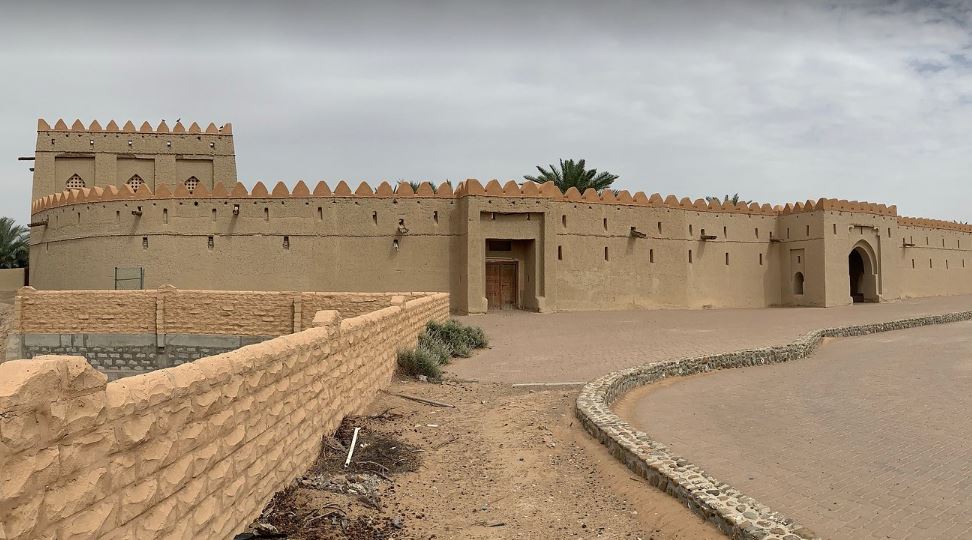
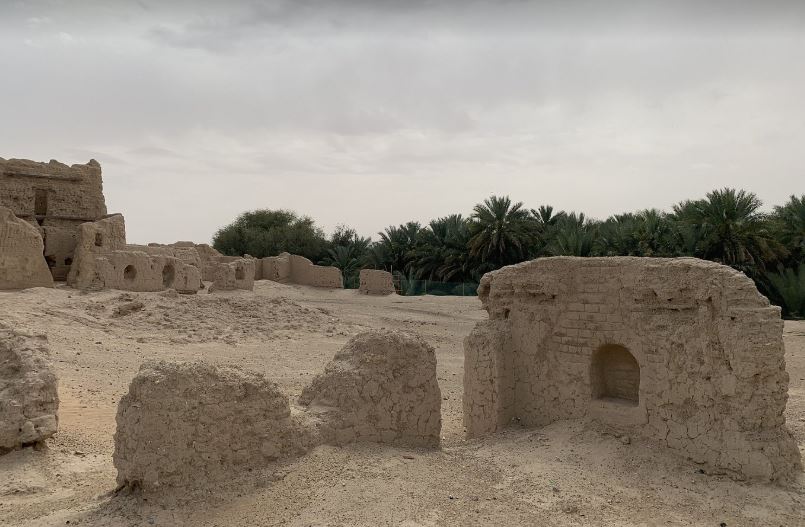
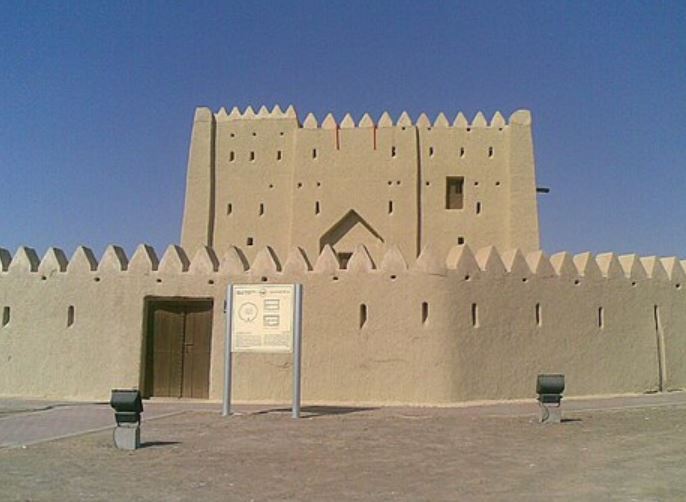
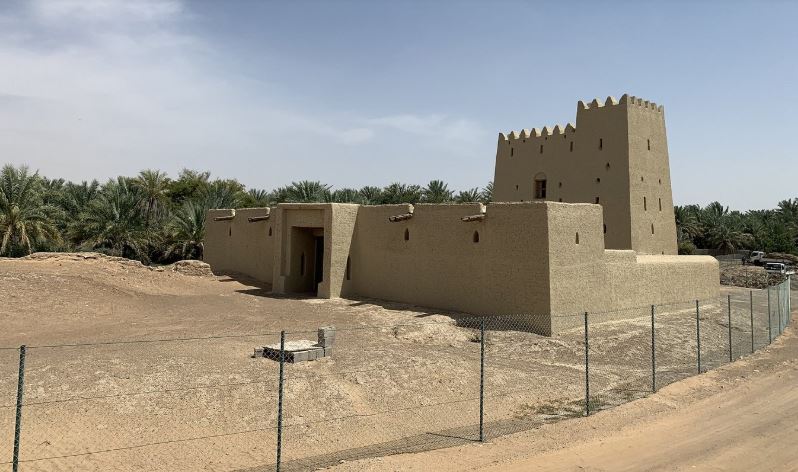
Al Wajidi Fort in Al Ain is one of the hidden architectural and cultural treasures of the United Arab Emirates. Nestled in the historic oasis city of Al Ain, the fort reflects the traditional Emirati approach to building defensive structures while preserving the spirit of community life. Like many forts in the region, Al Wajidi Fort was not only a stronghold for protection but also a symbol of authority, heritage, and social organization. Its walls and towers stand as a reminder of a time when such fortifications were vital for safeguarding communities, protecting trade routes, and securing valuable water sources in the desert environment.

Umrah Package 2025 from Dubai

The design of Al Wajidi Fort showcases the ingenuity of traditional Emirati architecture. Built with locally available materials such as mudbrick, stone, and palm fronds, the fort reflects the sustainable methods of construction that were developed to suit the harsh desert climate. Thick walls provided insulation from the heat, while narrow openings helped regulate airflow. Its defensive towers, strategically placed, would have allowed guards to monitor the surrounding area for potential threats.

Umrah Package by bus 2025 from Dubai

Culturally, Al Wajidi Fort holds a special place in the memory of Al Ain. The city itself has long been a crossroads of culture, agriculture, and settlement due to its fertile oasis, and the fort played a role in sustaining that way of life. It provided a safe haven during times of conflict, while also serving as a gathering place for important decisions, social activities, and trade discussions.
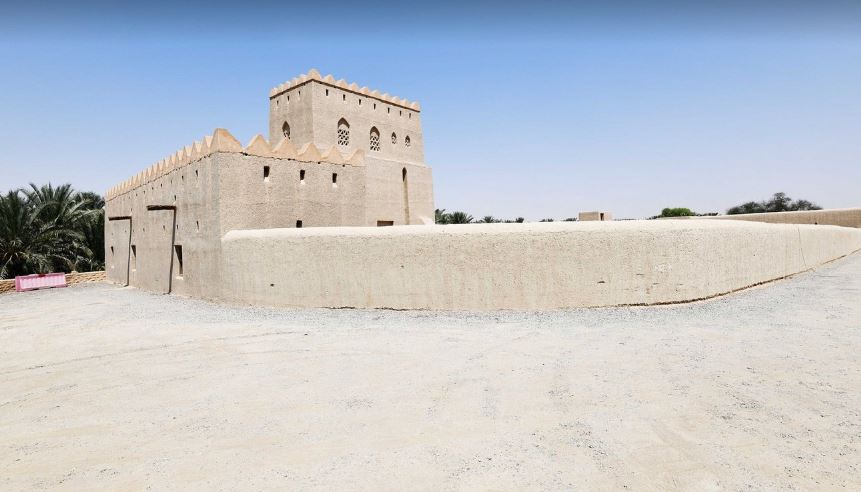
Such forts were often linked to ruling families or tribal leaders, making them symbols of governance and leadership. In this sense, Al Wajidi Fort is more than just an architectural relic; it represents the traditions of unity, authority, and cooperation that formed the backbone of Emirati society.

Umrah Package from Dubai and Sharjah UAE

In modern times, Al Wajidi Fort stands as a heritage landmark, contributing to Al Ain’s reputation as the “Garden City” of the UAE and as a hub for cultural tourism. Visitors who come to the fort gain insight into the daily lives of earlier generations and the challenges they faced in building a prosperous community in the desert. The fort is also part of a broader network of heritage sites in Al Ain that together tell the story of the city’s significance in Emirati history. Restoration and preservation efforts have ensured that the fort remains accessible for future generations, allowing it to continue inspiring pride in national identity and heritage.

Umrah Visa from Dubai and Sharjah UAE

Ultimately, Al Wajidi Fort in Al Ain is a symbol of endurance, adaptation, and cultural continuity. It represents a bridge between past and present, showing how the Emirati people transformed the challenges of their environment into opportunities for resilience and innovation. Standing tall amidst the ever-modernizing landscape of the UAE, the fort invites reflection on the values of heritage, unity, and preservation, making it not just a monument of stone and mud, but a living chapter of the nation’s story.
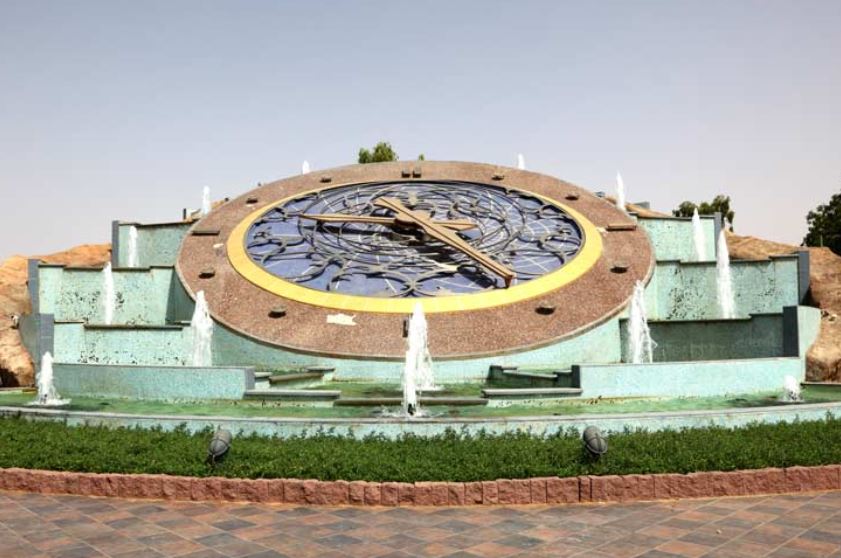
Beautiful Al Ain Clock Tower UAE

The Al Ain Clock Tower is one of the most iconic landmarks in the city of Al Ain, located in the Emirate of Abu Dhabi, United Arab Emirates. Nestled in the heart of the city, this historic structure stands as a symbolic representation of Al Ain’s cultural heritage and urban development. Although relatively modest in size compared to the towering skyscrapers of Dubai or Abu Dhabi, the Al Ain Clock Tower holds immense sentimental and historical value for the local community.

umrah Package from Sharjah UAE

It is not just a point of reference for residents and visitors but also a reminder of the city’s evolution from a traditional settlement into a modern urban center. Architecturally, the Al Ain Clock Tower reflects a blend of classic and modern influences. The design is simple yet elegant, featuring clean lines and a symmetrical structure.

umrah package by bus from sharjah uae

At its peak, the clock faces outward in four directions, allowing it to be seen from multiple points around the central roundabout where it is located. The tower itself is constructed with materials that have withstood the test of time, showcasing the durability of mid-20th-century construction in the region. While it may not boast intricate carvings or flamboyant features, its understated design complements the overall aesthetic of Al Ain—a city known for its greenery, historical forts, and peaceful ambiance.

umrah package by air from sharjah uae

The location of the Al Ain Clock Tower adds significantly to its prominence. Positioned at a major traffic roundabout, it serves as a central point in the city’s layout. Many key roads and districts in Al Ain branch out from this junction, making the tower not just a landmark but also a hub of daily activity. Whether it’s residents commuting to work, tourists exploring the city, or families visiting nearby parks and souks, the clock tower often serves as a common meeting place and navigation point. Its presence has become so ingrained in the urban fabric of Al Ain that it is difficult to imagine the city without it.

Beyond its practical role, the Al Ain Clock Tower also holds cultural significance. For decades, it has witnessed the city’s transformation, silently observing the growth of infrastructure, population, and modernization. Generations of residents have grown up with the clock tower as a constant in their lives, making it a symbol of continuity in a rapidly changing world. Its chimes mark the passage of time not just literally but also metaphorically, reminding people of the city’s enduring identity amidst progress and change.

umrah package from Dubai uae

Efforts have been made to preserve and maintain the tower over the years, ensuring that it remains an attractive and functional landmark. While it has undergone occasional renovations and updates, the core design and essence of the structure have remained intact. This respect for its original character reflects the broader cultural values of Al Ain, a city that takes pride in balancing heritage with modernization.

umrah package by bus from dubai uae

In summary, the Al Ain Clock Tower is much more than a timekeeping structure. It is a symbol of Al Ain’s identity, history, and community life. Through its simple design, central location, and cultural importance, the tower continues to stand as a beloved and enduring part of the city’s landscape, connecting the past with the present and serving as a beacon for all who pass through Al Ain.

Al Jimi Fort Jimi Oasis Al Ain UAE

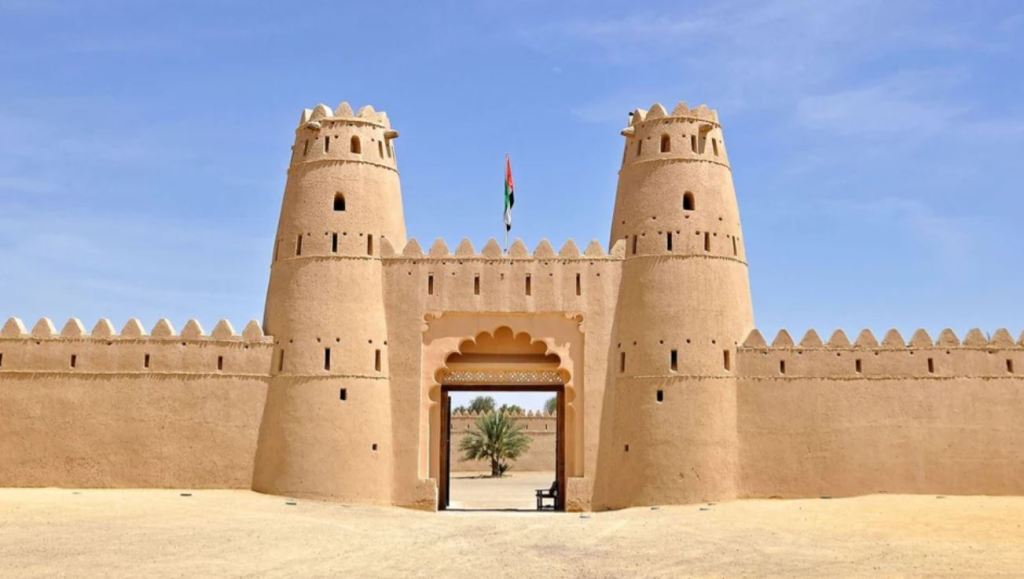
Al Jimi Fort, located in the historic Jimi Oasis of Al Ain in the Emirate of Abu Dhabi, is a striking example of the United Arab Emirates’ deep-rooted cultural heritage and traditional architecture. Situated in one of the oldest cultivated areas of Al Ain, the fort reflects the importance of oasis settlements in the development of the region. Built during the 18th century, Al Jimi Fort was originally constructed as a watchtower and residence for local rulers, serving both defensive and administrative purposes. Its location within the lush palm groves of the Jimi Oasis highlights the historical significance of water sources and agriculture in the survival and growth of desert communities.

Umrah Visa from Dubai UAE 2025

The structure of Al Jimi Fort is a testament to traditional Emirati design. Made primarily of mudbrick, the fort was built to endure the harsh desert climate, with thick walls that help insulate against heat and cool the interior spaces. The central tower, known as a “murabba,” is one of the fort’s most prominent features. Rising high above the surrounding walls, the tower was used for surveillance and protection, offering a clear view of the oasis and surrounding landscape. The fort also includes living quarters, courtyards, and storage areas, all arranged around a central open space that provided ventilation and gathering areas for residents and guards.

Umrah Package by Air from Dubai UAE 2025

Al Jimi Fort was more than just a military structure; it served as a center of governance and social life in the region. Local leaders used it as a base to manage the affairs of the surrounding villages and farms. Its proximity to the falaj irrigation system—an ancient network of underground water channels—made it strategically important for overseeing water distribution and agricultural productivity. The Jimi Oasis, with its rich date palm groves and fertile soil, has supported generations of farming families and continues to be a symbol of sustainable desert living.

In recent years, Al Jimi Fort has undergone restoration to preserve its historical features and make it accessible to the public. The restoration efforts were carefully planned to maintain the original architectural elements while ensuring structural stability. Today, the fort is part of the broader cultural landscape of Al Ain, which has been recognized by UNESCO for its archaeological and historical importance. Visitors to the fort can walk through its restored rooms and courtyards, gaining a sense of how life once functioned in this desert stronghold.

Umrah Package from Dubai UAE

The surrounding Jimi Oasis further enhances the experience, offering a tranquil and shaded environment filled with date palms, native plants, and traditional irrigation channels. Walking through the oasis gives visitors a deeper appreciation for the ingenuity and resilience of the people who cultivated life in the desert. Al Jimi Fort stands as a symbol of leadership, protection, and sustainability, representing the connection between people and their environment in the UAE’s past.

Umrah Package by Bus from Dubai UAE

As modern development continues to shape the country, sites like Al Jimi Fort play an essential role in preserving the narrative of tradition, community, and survival. It is a place where history is not only remembered but felt, offering a powerful link between the past and present in the heart of Al Ain.

Al Hili Towers Abu Dhabi UAE

Al Hili Towers is a prominent residential and commercial complex located in Al Ain, within the Emirate of Abu Dhabi in the United Arab Emirates. Situated in the Al Hili area, this development is known for its blend of modern architecture, strategic location, and convenient amenities, making it a desirable place for both residents and businesses. The towers are designed to reflect the growing urbanization of Al Ain while still maintaining the city’s traditional charm and community-oriented lifestyle.

Umrah Package 2025 from Dubai

Comprising multiple high-rise buildings, Al Hili Towers offers a mix of residential apartments and commercial spaces. The residential units vary in size, catering to individuals, couples, and families alike. From one-bedroom apartments to spacious three-bedroom units, the interiors are designed with contemporary layouts, quality finishes, and thoughtful touches that provide comfort and style. Many apartments feature large windows that allow plenty of natural light and offer scenic views of the surrounding cityscape and nearby green areas, adding to the appeal of living in the towers.

Umrah Package by bus 2025 from Dubai

One of the key attractions of Al Hili Towers is its strategic location. Positioned in a vibrant and accessible part of Al Ain, the towers provide easy access to major roads, shopping centers, schools, hospitals, and parks. The Al Hili area itself is known for its peaceful residential vibe, offering a quieter alternative to the busier parts of the UAE. Despite this tranquility, residents enjoy a full range of modern conveniences just minutes from their doorsteps. This blend of accessibility and serenity makes Al Hili Towers an ideal choice for those seeking a balanced lifestyle.

Amenities within the towers are another highlight. Residents benefit from facilities such as 24-hour security, underground parking, high-speed elevators, and dedicated maintenance services. For leisure and relaxation, the towers often include gyms, swimming pools, and children’s play areas. These features are designed to enhance everyday living, providing comfort and convenience without the need to leave the building. The presence of retail outlets and restaurants on the ground floor or nearby also contributes to a self-sufficient living environment.

Umrah Package by Air from Dubai and Sharjah UAE

For businesses, Al Hili Towers presents a valuable opportunity. The commercial spaces are well-suited for offices, clinics, and retail shops, offering high foot traffic and visibility within a growing community. The modern infrastructure and professional setting appeal to a wide range of business types, from startups to established companies. With Al Ain’s continued development, the location becomes increasingly attractive for commercial investment.

Umrah Visa from Dubai and Sharjah UAE

Overall, Al Hili Towers stands as a symbol of Al Ain’s evolution—where traditional values meet modern living. Its thoughtful design, convenient location, and wide range of amenities contribute to its status as one of the more notable mixed-use developments in the city. Whether for families seeking a comfortable home or businesses looking for a strategic base, Al Hili Towers offers an appealing combination of lifestyle and opportunity in one of the UAE’s most historic and culturally rich cities.

Beauty of Mezyad Fort Al Ain UAE

Mezyad Fort is a historic landmark located near the city of Al Ain in the Emirate of Abu Dhabi, United Arab Emirates. Situated close to the Oman border, this imposing structure reflects the deep-rooted cultural and architectural heritage of the region. Believed to have been originally constructed in the late 19th or early 20th century, the fort played a significant role in the protection and surveillance of the southeastern approach to Al Ain. Over the years, Mezyad Fort has stood as a symbol of the area’s strategic importance, serving both military and administrative purposes during times of tribal conflicts and trade movement across the Arabian Peninsula.

Umrah package 2025 from Sharjah UAE

The fort is built using traditional materials such as mud bricks, palm trunks, and stones, which were readily available in the region. These materials helped regulate indoor temperatures in the extreme desert climate, keeping interiors cool during the scorching summers. The design of Mezyad Fort reflects typical Emirati defensive architecture, with thick walls, corner towers, and narrow windows for archers. It also features a central courtyard and various chambers that would have been used for storing goods, housing troops, or holding meetings. The fort’s elevated position offers a commanding view of the surrounding landscape, providing a clear advantage in monitoring approaching travelers or potential threats.

Umrah Package by Bus from Sharjah UAE

Mezyad Fort is especially notable for its association with the ruling Al Nahyan family, who have historically maintained a presence in the Al Ain region. The fort is believed to have served as a key outpost in the consolidation of power during the early formation of the modern UAE. Its location was strategically important not only for defense but also for controlling trade routes and ensuring the safety of caravans moving between Oman and the interior of Abu Dhabi. This historical significance adds a layer of national pride to the structure, making it a site of interest for both scholars and tourists alike.

Today, Mezyad Fort stands as a testament to the UAE’s efforts to preserve its cultural heritage amidst rapid modernization. Restoration efforts have helped maintain the integrity of the fort, allowing visitors to experience a piece of the past while understanding the historical context of the region. The fort is surrounded by desert landscapes and the nearby Hajar Mountains, creating a dramatic backdrop that enhances its visual and cultural appeal. It also lies close to the Mezyad border post, which has historically been a point of entry between the UAE and Oman, further underscoring its strategic placement.

Umrah Package from Dubai UAE

In recent years, the fort has become part of broader initiatives to promote cultural tourism in Al Ain, which itself is recognized as a UNESCO World Heritage site. Alongside other historical sites in the region, such as Al Jahili Fort and the Al Ain Oasis, Mezyad Fort contributes to the narrative of a community deeply connected to its land and traditions. Visitors to the fort can walk through its restored corridors, climb its towers, and imagine what life might have been like for the soldiers and officials who once occupied it. These experiences not only educate but also foster appreciation for the resilience and ingenuity of past generations in the UAE.

Umrah by bus Package from Dubai UAE

As the country continues to develop rapidly, structures like Mezyad Fort serve as vital links to the past. They remind both citizens and visitors of the historical journeys that led to the formation of the modern United Arab Emirates. The fort’s continued preservation ensures that future generations can access tangible representations of their national history, identity, and pride. Mezyad Fort is more than just an old building—it is a symbol of endurance, heritage, and the strategic foresight that helped shape the region long before the discovery of oil or the rise of skyscrapers.

Bin Helal Fort in Al Ain UAE

Bin Helal Fort is one of the lesser-known historical landmarks nestled in the city of Al Ain, located in the eastern region of the Emirate of Abu Dhabi in the United Arab Emirates. Although overshadowed by the more prominent forts such as Al Jahili and Qasr Al Muwaiji, Bin Helal Fort holds its own significance in the cultural and architectural history of the region. It is an important reminder of the traditional defensive structures that once played a crucial role in safeguarding communities, managing tribal affairs, and establishing authority within the region. The fort, though more modest in size compared to its more famous counterparts, is a window into the past, offering insights into the way of life in Al Ain before the rapid modernization of the UAE.

Umrah Package 2025 from Dubai

Strategically located within a residential area, Bin Helal Fort stands as a symbol of tribal leadership and heritage. Its name is derived from the Helal family, one of the prominent local families in the area, and the fort is believed to have been associated with tribal leadership and governance in earlier times. Built primarily from traditional materials like mudbrick, palm trunks, and stone, the structure exemplifies the ingenuity of local architecture suited to the harsh desert environment. The thick walls and small, strategically placed windows were designed to provide both defense and ventilation, ensuring the safety and comfort of its occupants. The simplicity and functionality of the fort’s design reflect the practicality and resilience of the people who lived in and around Al Ain in the pre-oil era.

Umrah Package by Bus from Dubai

The layout of Bin Helal Fort is typical of traditional forts in the region, featuring a central courtyard, defensive watchtowers, and living quarters. These elements served both military and domestic purposes, as forts were not only places of protection but also residences and administrative centers. The courtyard, often shaded and cool, would have been a place where families gathered, decisions were made, and social life thrived. The towers allowed for surveillance over the surrounding landscape, providing a tactical advantage in times of conflict. This dual purpose of the fort as both a stronghold and a home highlights the multifaceted role these structures played in the life of the community.

In recent years, efforts have been made to preserve and restore heritage sites like Bin Helal Fort, as part of a wider movement in the UAE to celebrate and protect its cultural identity. As modernization continues to transform the urban landscape, historical sites offer a vital link to the past. Bin Helal Fort has undergone renovation to stabilize its structure and make it accessible to visitors and locals interested in learning more about the Emirati heritage. Although it is not a major tourist attraction, it plays an important role in educational and cultural initiatives within the region, particularly in Al Ain, which is recognized as a UNESCO World Heritage Site for its cultural and archaeological significance.

Umrah Package by Air from Dubai and Sharjah

The presence of Bin Helal Fort in Al Ain also contributes to the unique blend of history and modernity that defines the city. While Al Ain has grown into a modern urban center with advanced infrastructure, it has retained a strong connection to its roots through the preservation of forts, oases, and traditional markets. This balance between heritage and progress is one of the defining characteristics of Al Ain and the broader Emirati identity. For residents and visitors alike, the fort serves as a quiet but powerful reminder of the values of resilience, leadership, and community that have shaped the UAE’s development over the decades.

Umrah Visa from Dubai and Sharjah

In conclusion, Bin Helal Fort may not be the most grand or widely known fort in the UAE, but its historical and cultural significance is undeniable. It offers a glimpse into the social and architectural traditions of Al Ain and stands as a tribute to the people who built and inhabited it. As the UAE continues to embrace the future, sites like Bin Helal Fort help ensure that its past is not forgotten.

Bin Helal Tower A Symbol of Modern Elegance

Bin Helal Tower is a distinguished high-rise development in the United Arab Emirates that stands as a remarkable example of contemporary architecture blended with functionality and luxury. Situated in one of the most rapidly evolving urban landscapes in the world, the tower captures the essence of modern Emirati ambition. It is not just a residential or commercial structure, but a representation of the UAE’s commitment to excellence in urban development, infrastructure, and lifestyle standards.

Umrah Packages 2025

The tower’s exterior is striking, defined by sleek glass facades and geometric precision. The architectural design of Bin Helal Tower reflects the modern aesthetic that is becoming increasingly common in the UAE’s skyline, yet it manages to maintain a unique identity. With clean lines and a commanding presence, the tower adds a sense of sophistication to its surroundings. Its elevation is not just meant for visual appeal—it provides panoramic views of the surrounding cityscape, offering residents and visitors a constant reminder of the vibrancy of the region.

Umrah Package by bus from Sharjah

Inside, the tower features a harmonious combination of comfort, style, and utility. Whether designed for residential or commercial use, the interiors are crafted to meet the highest standards. Spacious layouts, contemporary finishes, and cutting-edge amenities ensure that every space within the tower offers a premium experience. The use of natural light is optimized through large windows, creating bright and inviting environments throughout. High-speed elevators, 24-hour security systems, and advanced climate control contribute to the tower’s seamless functionality and ensure a comfortable and safe experience for all occupants.

Umrah Package by Air from Sharjah

One of the most attractive features of Bin Helal Tower is its location. In a country where location often determines convenience and lifestyle, the tower enjoys proximity to essential services such as shopping centers, schools, hospitals, and public transport networks. This strategic positioning enhances the everyday experience for its residents and visitors, placing them at the center of urban activity while still offering a sense of privacy and tranquility within the tower’s walls. The location also ensures strong demand, making it an appealing option for investors seeking sustainable real estate opportunities in the UAE.

Sustainability is also a key aspect of Bin Helal Tower’s design. As environmental consciousness becomes more integral to construction in the UAE, the tower incorporates energy-efficient systems and eco-friendly materials. From smart lighting and cooling systems to waste reduction strategies, the building is aligned with global sustainability goals. This not only reduces its environmental impact but also appeals to the growing number of environmentally aware residents and tenants in the region.

Umrah Package from Dubai and Sharjah

Community and lifestyle are central to the experience offered by Bin Helal Tower. Within the tower, amenities such as fitness centers, recreational areas, and possibly even retail outlets contribute to a lifestyle of convenience and luxury. Such features make it more than just a place to live or work—it becomes a space where individuals can thrive personally and professionally. The tower may also include shared spaces that promote social interaction and foster a sense of belonging among residents, which is increasingly important in urban living.

Umrah by Bus from Dubai and Sharjah

Moreover, the development of structures like Bin Helal Tower supports the broader vision of the UAE’s urban development goals. As the country continues to position itself as a global hub for tourism, business, and innovation, iconic buildings such as this tower play a crucial role in shaping perceptions. They reflect the UAE’s dedication to creating world-class infrastructure while remaining grounded in cultural and economic growth.

Umrah by Air from Dubai and Sharjah

In conclusion, Bin Helal Tower stands as a shining example of what modern architecture can achieve when it is guided by vision, innovation, and a focus on quality living. Whether viewed as a residential sanctuary, a commercial opportunity, or an architectural landmark, it exemplifies the best of what the UAE has to offer in the realm of urban development. As cities across the country continue to grow and evolve, Bin Helal Tower will undoubtedly remain a key part of the skyline and a proud symbol of forward-thinking design.

Beautiful Al Darmaki Fort of Al Ain UAE

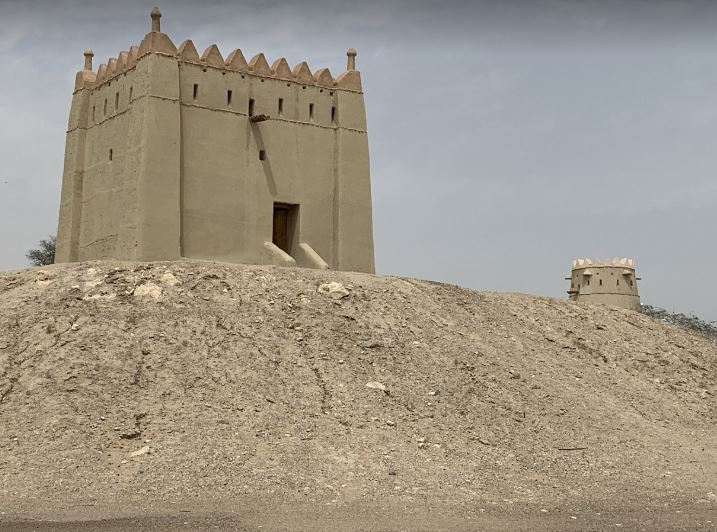
Al Darmaki Fort is one of the lesser-known yet culturally significant historical landmarks in the United Arab Emirates. Located in the Al Ain region of Abu Dhabi, the fort stands as a quiet symbol of the country’s deep-rooted heritage, tribal traditions, and architectural ingenuity. Unlike the grander and more frequently visited forts such as Al Jahili or Qasr Al Hosn, Al Darmaki Fort is more modest in scale, yet it offers a powerful window into the social and political fabric of the past. Built by the Al Darmaki tribe, one of the well-respected families in the region, the fort was primarily constructed as a residence and defensive structure, serving both as a home and a symbol of authority.

Umrah Package 2025 from Dubai UAE

The architecture of Al Darmaki Fort reflects the practical needs and environmental adaptation characteristic of traditional Emirati design. Made from mudbrick, palm trunks, and other locally sourced materials, the fort was constructed to provide insulation from the harsh desert heat while also standing strong against the elements.

Umrah Package 2025 by bus from Dubai

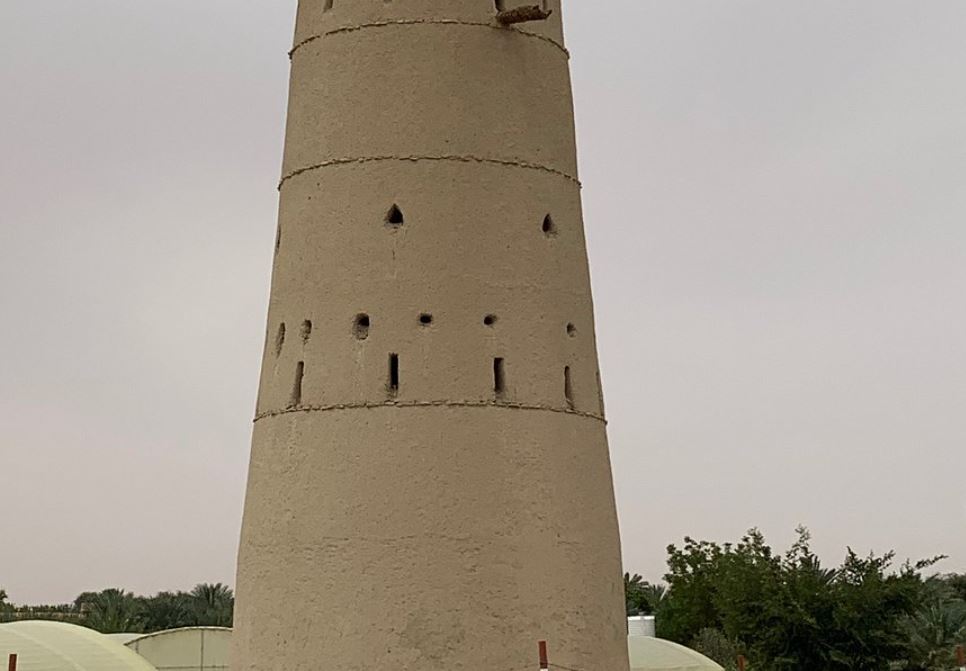
The walls are thick, and the layout is simple, with an inner courtyard, watchtowers, and private living areas. These design elements not only ensured protection from potential tribal conflicts or raids but also helped manage daily life in a hot, arid climate. The fort’s tower, typically used for surveillance and defense, still stands as a testament to the region’s tribal strategies and concern for community safety.

Umrah Package 2025 by Air from Dubai

What makes Al Darmaki Fort particularly intriguing is its intimate connection with local tribal history. The Al Darmaki family has long been influential in Al Ain, contributing to the political and social development of the region. The fort served as a base for leadership, where tribal elders would meet, settle disputes, and make important decisions. It also functioned as a community hub, a place where people gathered during times of celebration or conflict. Oral histories passed down through generations indicate that the fort was not just a military or political site, but also a deeply human space where traditions were practiced and preserved.

Over time, the fort, like many heritage sites in the UAE, fell into a period of disuse and deterioration. However, with the government’s increasing efforts to preserve Emirati culture and history, Al Darmaki Fort has seen renewed interest. Restoration initiatives have focused on maintaining the authenticity of the structure while ensuring its longevity. Conservation work typically involves reinforcing the original materials, stabilizing the walls, and restoring key architectural features. These efforts aim to keep the historical character of the fort intact while opening it up for educational and touristic purposes.

Umrah Package from Dubai and Sharjah UAE

Today, Al Darmaki Fort stands not only as a relic of the past but as a bridge between generations. It provides residents and visitors with a tangible connection to a time when the land was shaped more by kinship and tradition than by oil wealth and skyscrapers. For younger Emiratis, it offers a powerful reminder of their roots and the resilience of their ancestors. For tourists, it offers a more personal, less commercialized insight into Emirati heritage, one that speaks through sun-baked walls and silent towers rather than glossy brochures.

Umrah Visa from Dubai and Sharjah UAE

In a rapidly modernizing country, landmarks like Al Darmaki Fort serve an essential purpose. They preserve a narrative that might otherwise be lost amid the speed of development. By maintaining and promoting such sites, the UAE not only honors its past but also deepens its national identity. Al Darmaki Fort, though small in size, carries a large historical and emotional weight. Its continued preservation and recognition are vital to understanding the full story of the Emirates—a story not just of skyscrapers and luxury, but of family, tradition, and enduring cultural pride.

Al Rumailah Fort Al Ain UAE

Al Rumailah Fort, located in the heart of Al Ain in the United Arab Emirates, is a significant historical and cultural landmark that embodies the heritage and architectural tradition of the region. This fort, though not as widely known as some of the larger or more restored structures in the UAE, holds immense local importance, particularly in the context of Al Ain’s rich past as a center of settlement, agriculture, and governance. Nestled within the verdant oasis city of Al Ain, Al Rumailah Fort stands as a reminder of the region’s strategic importance and the way of life in pre-oil Emirates.

Umrah Packages 2025 from Dubai

The fort is relatively modest in size compared to some of the more prominent forts in the country, such as Al Jahili Fort, but it carries its own historical weight. Built primarily from local materials such as mud brick, palm fronds, and timber, Al Rumailah Fort showcases traditional Emirati architecture that was both functional and adaptive to the harsh desert environment. Its design is typical of defensive structures from the early 20th century, with thick walls, small watchtowers, and a compact layout designed for surveillance and protection. The materials used help regulate interior temperatures, which is a testament to the ingenuity of traditional Arabian building techniques.

Umrah Visa 2025 from Dubai

Historically, forts like Al Rumailah served multiple purposes beyond simple defense. They were often administrative centers, homes to tribal leaders, and secure storage locations for food and valuables. In the case of Al Rumailah, it likely played a role in overseeing the surrounding agricultural lands and maintaining order among the nearby tribal communities. Located close to the Rumailah area, which is one of Al Ain’s key agricultural zones, the fort would have been an essential point for coordinating water distribution from the falaj irrigation system and protecting the vital water sources and palm groves that sustained the local economy.

Over the decades, as the UAE underwent rapid modernization, many such historical structures were abandoned or fell into disrepair. However, Al Ain has always held a special status within the UAE due to its deep-rooted cultural identity and connection to the country’s founding leaders. As such, efforts have been made in recent years to preserve and restore sites like Al Rumailah Fort. These restoration efforts are part of a broader initiative to celebrate and protect the region’s heritage, which has earned Al Ain a UNESCO World Heritage designation. Visiting Al Rumailah Fort today offers a glimpse into the past, with careful preservation allowing visitors to see the fort much as it might have appeared decades ago.

Umrah Package by Bus from Dubai and Sharjah

In addition to its architectural and historical significance, Al Rumailah Fort contributes to the cultural narrative of Al Ain. The fort is a symbol of resilience, self-reliance, and the tribal governance that once formed the backbone of life in the UAE’s interior regions. It reflects the community-centered lifestyle that was prevalent before the discovery of oil, when survival depended on cooperation, resourcefulness, and a deep respect for the land and its resources. For locals, such forts are not just ruins; they are storied landmarks that represent lineage, leadership, and a way of life that continues to influence modern Emirati identity.

Umrah Package by Air from Dubai and Sharjah

As the UAE continues to develop at a rapid pace, balancing modernity with heritage remains a central challenge. Forts like Al Rumailah serve as valuable cultural anchors, grounding the population in their historical roots while providing educational and touristic value. Their preservation ensures that future generations can connect with the past and understand the journey their ancestors undertook in transforming a desert landscape into a thriving nation. In this way, Al Rumailah Fort is more than a historical building—it is a living testament to the enduring spirit of Al Ain and the broader Emirati heritage.

Bait Al Oud UAE Preserving the Soul of Arabic Music

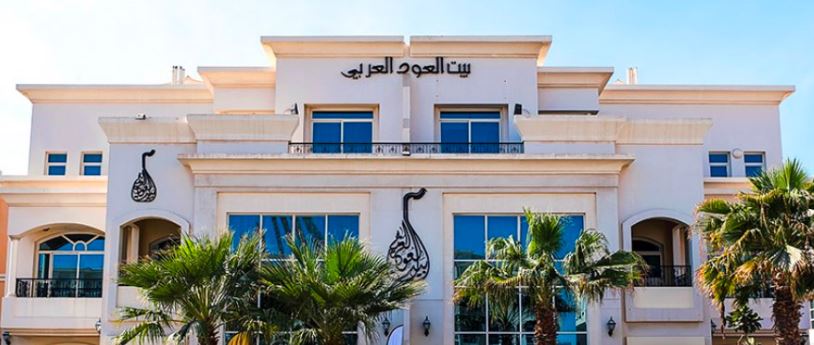
Bait Al Oud in the United Arab Emirates is a beacon of cultural preservation and musical excellence, standing at the crossroads of tradition and innovation. Established with the vision of reviving and sustaining classical Arabic music, Bait Al Oud – which translates to “House of the Oud” – plays a vital role in nurturing the musical heritage of the region. It is not merely a music school or a museum; it is a vibrant institution dedicated to teaching, performing, and promoting the oud and other traditional instruments such as the qanun, ney, and violin, with a focus on their use in classical Arabic music.

Umrah Packages from Dubai 2025

At the heart of Bait Al Oud’s mission is the oud itself, a pear-shaped, stringed instrument often referred to as the grandfather of the guitar. With deep roots in the Arab world, the oud carries centuries of history in its melodious tones. The UAE, through Bait Al Oud, has invested significant effort into keeping this instrument alive and relevant, especially among younger generations. The institution offers rigorous training programs led by master musicians, where students not only learn the technical skills required to play the oud but are also immersed in the music theory, history, and emotive power of traditional Arabic compositions.

Umrah Packages from Sharjah 2025

One of the most unique aspects of Bait Al Oud is its emphasis on mentorship. Rather than following a purely academic approach, the institution fosters a deeply personal and artistic relationship between students and their mentors. This allows for a transmission of not just musical skills but also the nuanced expressiveness that characterizes Arabic music. The teaching philosophy is rooted in oral tradition, ensuring that each student develops a unique connection to their instrument and to the musical culture it represents.

Located in Abu Dhabi, Bait Al Oud has become a cultural hub, attracting students and musicians from across the Middle East and beyond. It often hosts concerts, recitals, and workshops, offering the public an opportunity to engage with classical Arabic music in a live setting. These performances are not only showcases of individual talent but also demonstrations of the enduring power of traditional music to captivate contemporary audiences. Through these events, Bait Al Oud bridges the gap between the past and the present, ensuring that the rich musical heritage of the Arab world remains vibrant and appreciated.

Umrah Package by Bus from Dubai

Another significant contribution of Bait Al Oud is its work in crafting and restoring traditional instruments. The institution includes skilled luthiers who build ouds by hand, following age-old techniques that have been passed down through generations. These craftsmen ensure that every instrument produced meets the highest standards of quality, both in sound and craftsmanship. This artisanal aspect adds another layer of cultural depth to Bait Al Oud’s mission, emphasizing the importance of preserving not just the music but the tools used to create it.

Umrah Package by Air from Dubai

Moreover, Bait Al Oud serves as a symbol of the UAE’s broader commitment to cultural preservation and artistic excellence. In a rapidly modernizing society, the institution represents a conscious effort to protect intangible heritage and to provide space for artistic expression rooted in history. The UAE’s support for such initiatives highlights the nation’s recognition that identity and progress are not mutually exclusive, and that a strong cultural foundation enhances societal development.

Umrah Visa from Dubai and Sharjah

In conclusion, Bait Al Oud UAE is much more than a music school. It is a sanctuary for traditional Arabic music, a training ground for future generations of musicians, and a living testament to the UAE’s dedication to cultural preservation. Through education, performance, craftsmanship, and community engagement, it continues to breathe new life into ancient melodies, ensuring that the soul of Arabic music resonates far into the future.

Design a site like this with WordPress.com
Get started