Beautiful Al Darmaki Fort of Al Ain UAE

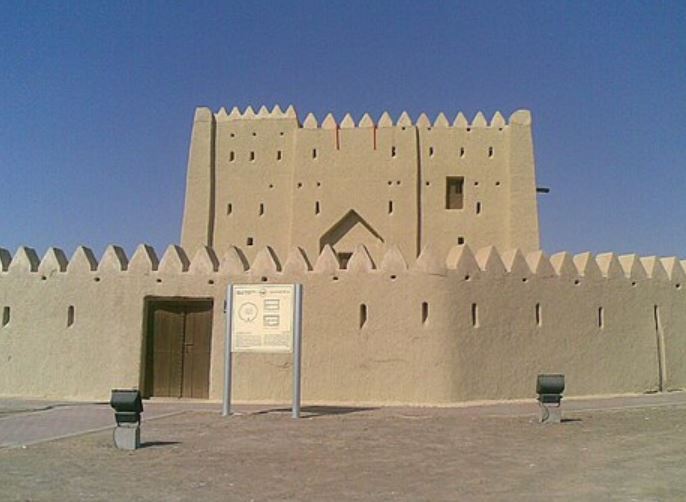
Al Darmaki Fort is one of the lesser-known yet culturally significant historical landmarks in the United Arab Emirates. Located in the Al Ain region of Abu Dhabi, the fort stands as a quiet symbol of the country’s deep-rooted heritage, tribal traditions, and architectural ingenuity. Unlike the grander and more frequently visited forts such as Al Jahili or Qasr Al Hosn, Al Darmaki Fort is more modest in scale, yet it offers a powerful window into the social and political fabric of the past. Built by the Al Darmaki tribe, one of the well-respected families in the region, the fort was primarily constructed as a residence and defensive structure, serving both as a home and a symbol of authority.

Umrah Package 2025 from Dubai UAE

The architecture of Al Darmaki Fort reflects the practical needs and environmental adaptation characteristic of traditional Emirati design. Made from mudbrick, palm trunks, and other locally sourced materials, the fort was constructed to provide insulation from the harsh desert heat while also standing strong against the elements.

Umrah Package 2025 by bus from Dubai

The walls are thick, and the layout is simple, with an inner courtyard, watchtowers, and private living areas. These design elements not only ensured protection from potential tribal conflicts or raids but also helped manage daily life in a hot, arid climate. The fort’s tower, typically used for surveillance and defense, still stands as a testament to the region’s tribal strategies and concern for community safety.

Umrah Package 2025 by Air from Dubai

What makes Al Darmaki Fort particularly intriguing is its intimate connection with local tribal history. The Al Darmaki family has long been influential in Al Ain, contributing to the political and social development of the region. The fort served as a base for leadership, where tribal elders would meet, settle disputes, and make important decisions. It also functioned as a community hub, a place where people gathered during times of celebration or conflict. Oral histories passed down through generations indicate that the fort was not just a military or political site, but also a deeply human space where traditions were practiced and preserved.
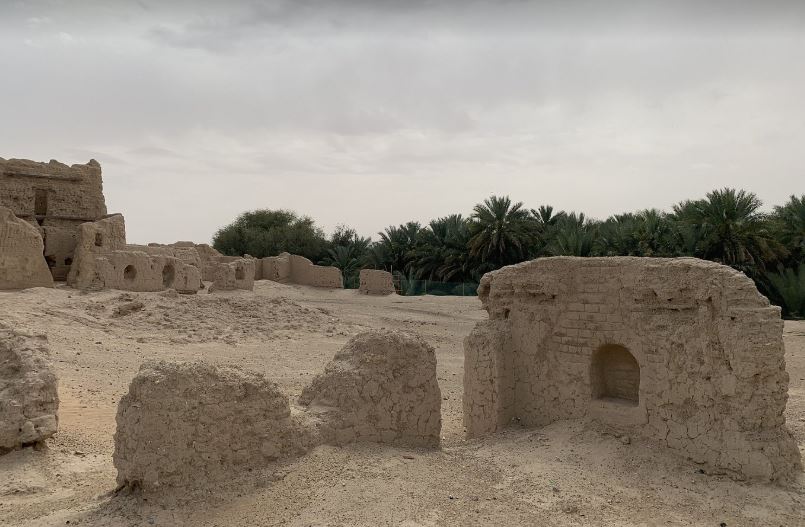
Over time, the fort, like many heritage sites in the UAE, fell into a period of disuse and deterioration. However, with the government’s increasing efforts to preserve Emirati culture and history, Al Darmaki Fort has seen renewed interest. Restoration initiatives have focused on maintaining the authenticity of the structure while ensuring its longevity. Conservation work typically involves reinforcing the original materials, stabilizing the walls, and restoring key architectural features. These efforts aim to keep the historical character of the fort intact while opening it up for educational and touristic purposes.

Umrah Package from Dubai and Sharjah UAE

Today, Al Darmaki Fort stands not only as a relic of the past but as a bridge between generations. It provides residents and visitors with a tangible connection to a time when the land was shaped more by kinship and tradition than by oil wealth and skyscrapers. For younger Emiratis, it offers a powerful reminder of their roots and the resilience of their ancestors. For tourists, it offers a more personal, less commercialized insight into Emirati heritage, one that speaks through sun-baked walls and silent towers rather than glossy brochures.

Umrah Visa from Dubai and Sharjah UAE

In a rapidly modernizing country, landmarks like Al Darmaki Fort serve an essential purpose. They preserve a narrative that might otherwise be lost amid the speed of development. By maintaining and promoting such sites, the UAE not only honors its past but also deepens its national identity. Al Darmaki Fort, though small in size, carries a large historical and emotional weight. Its continued preservation and recognition are vital to understanding the full story of the Emirates—a story not just of skyscrapers and luxury, but of family, tradition, and enduring cultural pride.
Al Rumailah Fort Al Ain UAE

Al Rumailah Fort, located in the heart of Al Ain in the United Arab Emirates, is a significant historical and cultural landmark that embodies the heritage and architectural tradition of the region. This fort, though not as widely known as some of the larger or more restored structures in the UAE, holds immense local importance, particularly in the context of Al Ain’s rich past as a center of settlement, agriculture, and governance. Nestled within the verdant oasis city of Al Ain, Al Rumailah Fort stands as a reminder of the region’s strategic importance and the way of life in pre-oil Emirates.

Umrah Packages 2025 from Dubai

The fort is relatively modest in size compared to some of the more prominent forts in the country, such as Al Jahili Fort, but it carries its own historical weight. Built primarily from local materials such as mud brick, palm fronds, and timber, Al Rumailah Fort showcases traditional Emirati architecture that was both functional and adaptive to the harsh desert environment. Its design is typical of defensive structures from the early 20th century, with thick walls, small watchtowers, and a compact layout designed for surveillance and protection. The materials used help regulate interior temperatures, which is a testament to the ingenuity of traditional Arabian building techniques.

Umrah Visa 2025 from Dubai

Historically, forts like Al Rumailah served multiple purposes beyond simple defense. They were often administrative centers, homes to tribal leaders, and secure storage locations for food and valuables. In the case of Al Rumailah, it likely played a role in overseeing the surrounding agricultural lands and maintaining order among the nearby tribal communities. Located close to the Rumailah area, which is one of Al Ain’s key agricultural zones, the fort would have been an essential point for coordinating water distribution from the falaj irrigation system and protecting the vital water sources and palm groves that sustained the local economy.

Over the decades, as the UAE underwent rapid modernization, many such historical structures were abandoned or fell into disrepair. However, Al Ain has always held a special status within the UAE due to its deep-rooted cultural identity and connection to the country’s founding leaders. As such, efforts have been made in recent years to preserve and restore sites like Al Rumailah Fort. These restoration efforts are part of a broader initiative to celebrate and protect the region’s heritage, which has earned Al Ain a UNESCO World Heritage designation. Visiting Al Rumailah Fort today offers a glimpse into the past, with careful preservation allowing visitors to see the fort much as it might have appeared decades ago.

Umrah Package by Bus from Dubai and Sharjah

In addition to its architectural and historical significance, Al Rumailah Fort contributes to the cultural narrative of Al Ain. The fort is a symbol of resilience, self-reliance, and the tribal governance that once formed the backbone of life in the UAE’s interior regions. It reflects the community-centered lifestyle that was prevalent before the discovery of oil, when survival depended on cooperation, resourcefulness, and a deep respect for the land and its resources. For locals, such forts are not just ruins; they are storied landmarks that represent lineage, leadership, and a way of life that continues to influence modern Emirati identity.

Umrah Package by Air from Dubai and Sharjah

As the UAE continues to develop at a rapid pace, balancing modernity with heritage remains a central challenge. Forts like Al Rumailah serve as valuable cultural anchors, grounding the population in their historical roots while providing educational and touristic value. Their preservation ensures that future generations can connect with the past and understand the journey their ancestors undertook in transforming a desert landscape into a thriving nation. In this way, Al Rumailah Fort is more than a historical building—it is a living testament to the enduring spirit of Al Ain and the broader Emirati heritage.

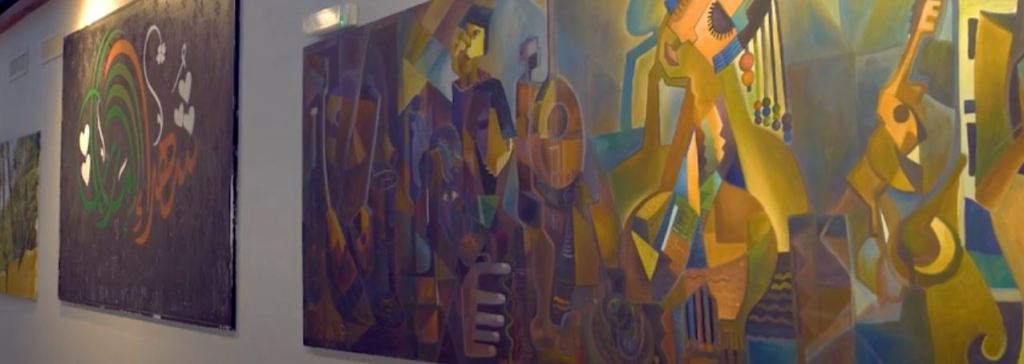
Bait Al Oud UAE Preserving the Soul of Arabic Music

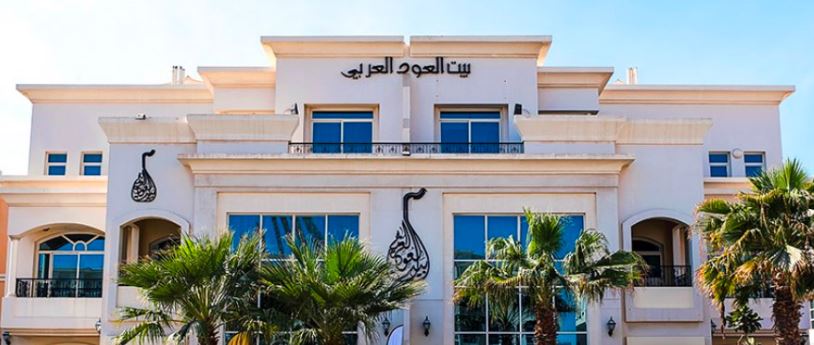
Bait Al Oud in the United Arab Emirates is a beacon of cultural preservation and musical excellence, standing at the crossroads of tradition and innovation. Established with the vision of reviving and sustaining classical Arabic music, Bait Al Oud – which translates to “House of the Oud” – plays a vital role in nurturing the musical heritage of the region. It is not merely a music school or a museum; it is a vibrant institution dedicated to teaching, performing, and promoting the oud and other traditional instruments such as the qanun, ney, and violin, with a focus on their use in classical Arabic music.

Umrah Packages from Dubai 2025

At the heart of Bait Al Oud’s mission is the oud itself, a pear-shaped, stringed instrument often referred to as the grandfather of the guitar. With deep roots in the Arab world, the oud carries centuries of history in its melodious tones. The UAE, through Bait Al Oud, has invested significant effort into keeping this instrument alive and relevant, especially among younger generations. The institution offers rigorous training programs led by master musicians, where students not only learn the technical skills required to play the oud but are also immersed in the music theory, history, and emotive power of traditional Arabic compositions.

Umrah Packages from Sharjah 2025

One of the most unique aspects of Bait Al Oud is its emphasis on mentorship. Rather than following a purely academic approach, the institution fosters a deeply personal and artistic relationship between students and their mentors. This allows for a transmission of not just musical skills but also the nuanced expressiveness that characterizes Arabic music. The teaching philosophy is rooted in oral tradition, ensuring that each student develops a unique connection to their instrument and to the musical culture it represents.

Located in Abu Dhabi, Bait Al Oud has become a cultural hub, attracting students and musicians from across the Middle East and beyond. It often hosts concerts, recitals, and workshops, offering the public an opportunity to engage with classical Arabic music in a live setting. These performances are not only showcases of individual talent but also demonstrations of the enduring power of traditional music to captivate contemporary audiences. Through these events, Bait Al Oud bridges the gap between the past and the present, ensuring that the rich musical heritage of the Arab world remains vibrant and appreciated.

Umrah Package by Bus from Dubai

Another significant contribution of Bait Al Oud is its work in crafting and restoring traditional instruments. The institution includes skilled luthiers who build ouds by hand, following age-old techniques that have been passed down through generations. These craftsmen ensure that every instrument produced meets the highest standards of quality, both in sound and craftsmanship. This artisanal aspect adds another layer of cultural depth to Bait Al Oud’s mission, emphasizing the importance of preserving not just the music but the tools used to create it.

Umrah Package by Air from Dubai

Moreover, Bait Al Oud serves as a symbol of the UAE’s broader commitment to cultural preservation and artistic excellence. In a rapidly modernizing society, the institution represents a conscious effort to protect intangible heritage and to provide space for artistic expression rooted in history. The UAE’s support for such initiatives highlights the nation’s recognition that identity and progress are not mutually exclusive, and that a strong cultural foundation enhances societal development.

Umrah Visa from Dubai and Sharjah

In conclusion, Bait Al Oud UAE is much more than a music school. It is a sanctuary for traditional Arabic music, a training ground for future generations of musicians, and a living testament to the UAE’s dedication to cultural preservation. Through education, performance, craftsmanship, and community engagement, it continues to breathe new life into ancient melodies, ensuring that the soul of Arabic music resonates far into the future.

Al Maryah Island Abu Dhabi’s Rising Urban Jewel

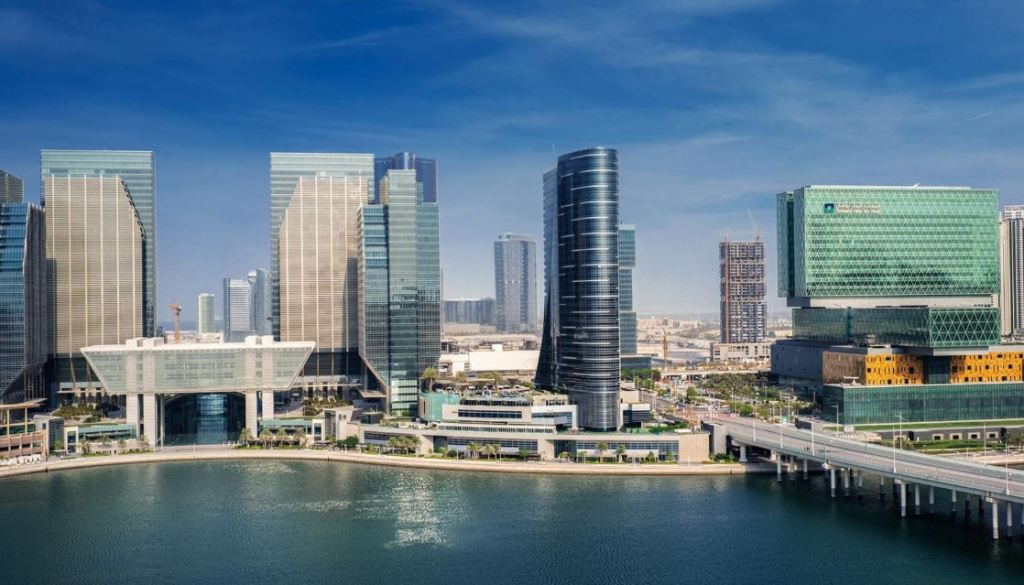
Al Maryah Island, situated at the heart of Abu Dhabi, has swiftly become one of the UAE’s most prominent commercial and lifestyle destinations. Once known as Sowwah Island, Al Maryah has been transformed into a vibrant, master-planned urban center that reflects the UAE’s vision for innovation, luxury, and sustainable development. Spanning approximately 114 hectares (1.14 square kilometers), this island is strategically located between Abu Dhabi Island and Reem Island, and it represents the next chapter in the capital’s evolution into a global city.

Umrah Packages 2025

At the core of Al Maryah Island lies the Abu Dhabi Global Market (ADGM), an international financial center that has positioned the island as a regional hub for banking, finance, and business. Established in 2015, ADGM has attracted global corporations and financial institutions by offering a well-regulated, business-friendly environment that adheres to international standards. The presence of ADGM reinforces the UAE’s ambition to diversify its economy and reduce dependency on oil by strengthening its financial services sector.

Umrah Packages from Dubai 2025

The Island’s striking skyline is dominated by ultra-modern skyscrapers, including the iconic Al Sila Tower and the headquarters of Mubadala Investment Company, the strategic investment arm of the Abu Dhabi government. These structures house multinational companies, law firms, tech startups, and consulting giants, creating a dynamic and collaborative business ecosystem.

Umrah Visa from Dubai 2025

Beyond business, Al Maryah Island has emerged as a premium lifestyle and leisure destination. The island is home to The Galleria Al Maryah Island, one of Abu Dhabi’s most luxurious shopping and dining complexes. Featuring high-end brands such as Chanel, Louis Vuitton, and Rolex, as well as a wide range of gourmet dining options, The Galleria offers a cosmopolitan experience that caters to residents, professionals, and tourists alike.

The island also includes Four Seasons Hotel Abu Dhabi, a five-star waterfront property that offers world-class hospitality with stunning views of the city skyline and Arabian Gulf. It’s a popular destination for business travelers, weekend getaways, and fine-dining enthusiasts, thanks to its award-winning restaurants and opulent amenities.

Umrah Package by Bus from Dubai and Sharjah

Al Maryah Island is also home to Cleveland Clinic Abu Dhabi, one of the region’s most advanced hospitals. A multi-specialty facility affiliated with the world-renowned Cleveland Clinic in the United States, it serves as a center of medical excellence and innovation in the Middle East. The presence of such a world-class medical institution has significantly elevated the island’s profile as a holistic live-work-play destination.

Umrah Package by Air from Dubai and Sharjah

The infrastructure on Al Maryah Island is equally impressive, with wide pedestrian-friendly boulevards, landscaped public spaces, and extensive underground parking facilities. The island is also well-connected to the rest of Abu Dhabi via multiple bridges, and further enhancements to transport infrastructure are continually underway, including future plans to integrate public transit systems.

Umrah Package from Dubai and Sharjah

In summary, Al Maryah Island represents the bold ambition of Abu Dhabi to create a global destination that blends commerce, luxury, healthcare, and sustainability. It is not only a testament to visionary urban planning but also a symbol of the emirate’s resilience and forward-thinking leadership in the 21st century.

Miraj Islamic Centre A Cultural and Spiritual Landmark

Nestled in the heart of the United Arab Emirates, the Miraj Islamic Centre stands as a beacon of Islamic culture, heritage, and education. It is more than just a tourist destination—it is a testament to the richness of Islamic civilization, offering both residents and visitors a deeper understanding of the religion’s artistic, spiritual, and historical dimensions. Located in Dubai, a city renowned for its fusion of tradition and modernity, the centre offers a serene and enlightening escape from the fast-paced life of the metropolis.

Umrah Package by Bus from Sharjah

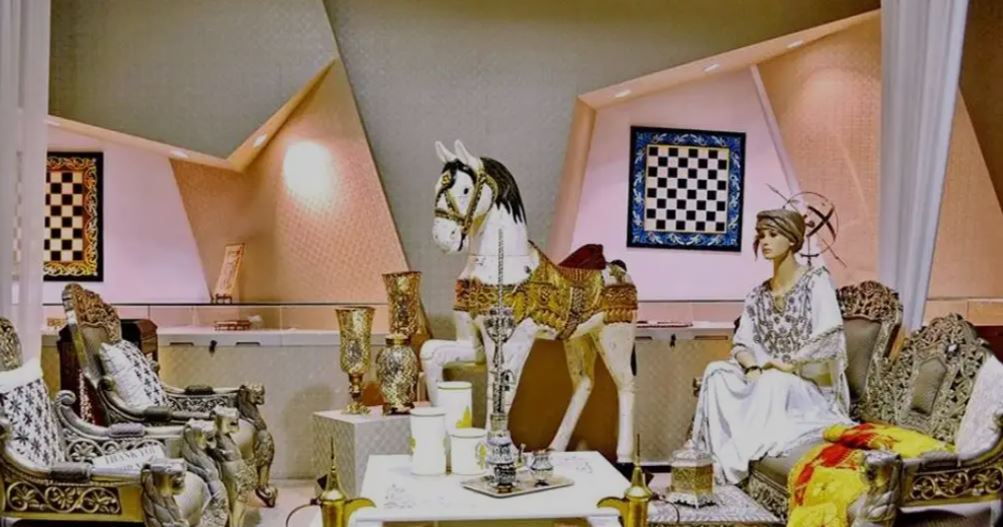
The Miraj Islamic Centre is best known for its museum-style presentation of Islamic art and artifacts. Upon entering the centre, visitors are immediately greeted by intricate displays that span centuries of Islamic heritage. These exhibits include handwoven carpets, calligraphy, manuscripts, pottery, and precious metalwork, all sourced from various Islamic cultures around the world. Each piece reflects the devotion, creativity, and craftsmanship that have long been hallmarks of Islamic art. The centre succeeds in showcasing the diversity within the Muslim world while also highlighting a unifying thread of faith and reverence that connects all of its artistic expressions.

Umrah Package by Air from Sharjah

One of the most striking features of the centre is its dedication to preserving and celebrating classical Islamic calligraphy. Walls adorned with verses from the Quran, written in elegant scripts like Thuluth and Naskh, provide not only aesthetic beauty but also spiritual depth. Calligraphy, being a central art form in Islamic culture due to the prohibition of idolatry, is treated with the utmost respect at the Miraj Islamic Centre. These visual expressions of the holy text serve both as educational tools and spiritual reminders for visitors of all backgrounds.

In addition to its impressive collection of artifacts, the centre functions as an educational hub. Guided tours offer insightful explanations of the historical and religious significance behind each exhibit. These tours are particularly valuable for non-Muslims who wish to gain a better understanding of Islamic traditions, as well as for Muslims seeking to reconnect with their heritage. The educational aspect of the Miraj Islamic Centre is one of its most important contributions to cultural dialogue, particularly in a country like the UAE, which prides itself on diversity and inclusion.

Umrah Package from Dubai UAE

Moreover, the Miraj Islamic Centre is not just a static museum—it also serves as a cultural ambassador. It frequently hosts events, workshops, and exhibitions that promote intercultural understanding. By inviting scholars, artists, and craftspeople from different parts of the Islamic world, the centre fosters an environment of knowledge exchange and creativity. These events contribute to Dubai’s cultural landscape, enriching the local community and offering meaningful experiences to visitors.

Umrah Package by Bus from Dubai UAE

Another remarkable aspect of the Miraj Islamic Centre is its architectural design. Inspired by traditional Islamic motifs, the centre itself is a piece of art. From its domes and arches to the intricate tilework and arabesque patterns, the structure embodies the beauty and harmony that Islamic architecture is celebrated for. The peaceful ambiance created by its design allows for quiet reflection and meditation, making it an ideal place for those seeking spiritual tranquility amidst the hustle and bustle of city life.

Umrah Package by Air from Dubai UAE

The centre also features a boutique where visitors can purchase handmade art pieces, jewelry, and other culturally significant items. These souvenirs are not merely decorative; they often hold deep symbolic meaning rooted in Islamic tradition. This element of the Miraj Islamic Centre allows guests to take a piece of the experience home with them, extending their connection to the centre long after their visit.

Bidaa Bint Saud United Arab Emirates

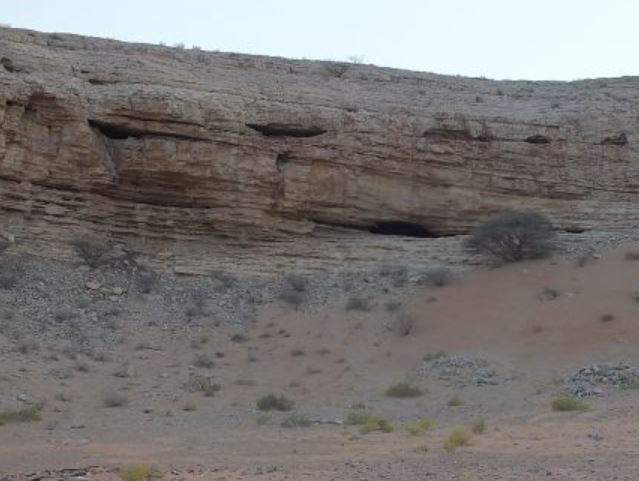
Bidaa bint Saud is a significant historical and archaeological site located in the United Arab Emirates, within the Al Ain region of the Emirate of Abu Dhabi. The site is known for its rich cultural heritage and its contributions to understanding the early civilizations that inhabited the southeastern Arabian Peninsula. Occupied during the Iron Age, particularly between 1000 and 300 BCE, Bidaa bint Saud provides key evidence of the early agricultural practices, trade routes, and social structures of ancient communities in the area.

Umrah Package from Dubai UAE

The site lies near the Hajar Mountains, a strategic location that would have offered both access to water and proximity to trade routes connecting the Arabian Gulf to the interior deserts and the Indian Ocean. This made it an important hub for the movement of goods and people in the region. One of the most fascinating aspects of Bidaa bint Saud is its sophisticated falaj irrigation system, one of the earliest known in the Arabian Peninsula. These underground water channels demonstrate the advanced engineering knowledge of the time and underscore the importance of agriculture in sustaining life in this arid region.

Umrah Visa from Dubai UAE

Archaeological excavations at Bidaa bint Saud have revealed a wealth of information about the people who lived there. Remains of large stone tombs, pottery, and tools have been uncovered, offering insights into the daily life, death rituals, and social organization of the community. The tombs, some of which are collective burial chambers, suggest that the society had a complex and structured approach to death and remembrance, possibly indicating a strong sense of lineage or social hierarchy. The variety of grave goods also implies a belief in the afterlife and the importance of equipping the dead with items for their journey.

Umrah Package by Bus from Dubai

Another crucial element of the site is its role in long-distance trade. Artifacts found at Bidaa bint Saud, such as pottery and beads, originate from faraway regions, including Mesopotamia and the Indus Valley. This suggests that the community was not isolated but actively engaged in trade networks that spanned across much of the ancient world. Such evidence supports the idea that early inhabitants of the UAE were part of a broader regional economy, exchanging goods such as copper, dates, and textiles for foreign items.

Bidaa bint Saud also offers a glimpse into the early development of permanent settlements in the Arabian Peninsula. The presence of agricultural tools and storage facilities implies that the community had moved beyond nomadic pastoralism to a more settled lifestyle based on farming and resource management. This marks a crucial stage in the development of civilizations, as permanent settlements allowed for population growth, cultural development, and increased social complexity.

Umrah package from Dubai and Sharjah UAE

Today, Bidaa bint Saud stands as a testament to the ingenuity and resilience of ancient communities in the harsh desert environment. It also highlights the deep historical roots of Emirati culture, long before the rise of Islam or the formation of the modern UAE. The preservation and study of this site are important not only for understanding local history but also for appreciating the broader patterns of human civilization in the region.

Umrah Package by Air from Dubai and Sharjah UAE

As interest in heritage and archaeology grows in the UAE, sites like Bidaa bint Saud are receiving more attention from both scholars and the public. Efforts to conserve and present the site to future generations reflect a growing awareness of the need to protect cultural heritage. Through careful study and responsible tourism, Bidaa bint Saud can continue to serve as a valuable educational resource and a symbol of the region’s ancient past.

Umrah Package by Bus from Dubai and Sharjah UAE

In conclusion, Bidaa bint Saud is more than just an archaeological site; it is a cultural landmark that provides deep insights into the lives of ancient peoples. From advanced irrigation systems to intricate burial practices and evidence of trade, it paints a detailed picture of a vibrant and sophisticated community that once thrived in the heart of what is now the United Arab Emirates.

Wahat Al Karama Abu Dhabi UAE

Wahat Al Karama, meaning “Oasis of Dignity” in Arabic, is a national monument in Abu Dhabi, United Arab Emirates, that stands as a tribute to the Emirati soldiers and other heroes who have sacrificed their lives in the service of the country. Located directly opposite the Sheikh Zayed Grand Mosque, Wahat Al Karama spans a wide expanse and embodies the UAE’s commitment to honoring its martyrs and preserving their legacy for future generations. It is not only a site of remembrance, but also a place of national pride, reflection, and unity, where citizens and visitors alike can learn about the values of courage, loyalty, and patriotism that form the backbone of Emirati identity.

Umrah Package from Sharjah

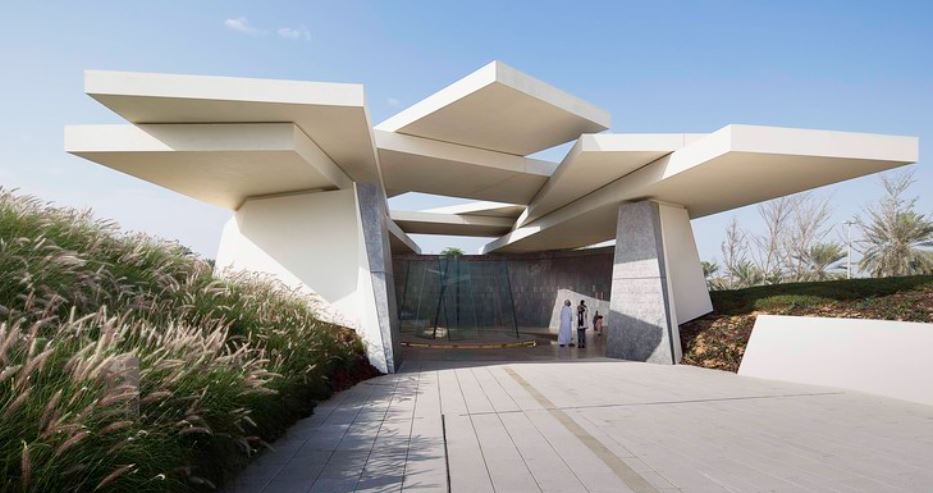
The monument was inaugurated in 2016 and has since become an iconic destination in the capital. The site is thoughtfully designed, combining architectural elegance with deep symbolic meaning. At the heart of Wahat Al Karama lies the Memorial Plaza, a wide open space used for official ceremonies and gatherings. This plaza provides a dignified setting for events such as Commemoration Day, where the nation comes together to pay respects to its fallen heroes. The vastness and simplicity of the space allow for reflection, silence, and a sense of unity among those who visit.

Umrah Package by Bus from Sharjah

The most prominent structure at the site is the Memorial, consisting of 31 massive aluminum-clad tablets that lean on each other, symbolizing the unity, solidarity, and mutual support of the people, government, and armed forces of the UAE. These tablets bear inscriptions of quotes by the founding father, Sheikh Zayed bin Sultan Al Nahyan, and other prominent leaders, expressing sentiments of national pride, sacrifice, and resilience. The design, created by British artist Idris Khan, communicates both strength and vulnerability, reflecting the complex emotions associated with remembrance and heroism.

Umrah Package by Air from Sharjah

Adjacent to the Memorial is the Pavilion of Honor, another key feature of Wahat Al Karama. The pavilion contains the names of all Emirati martyrs engraved on plates made from the metal of actual military vehicles used by the UAE Armed Forces. This powerful symbolism reinforces the connection between the nation’s military service and the sacrifices made in its defense. The circular shape of the Pavilion of Honor signifies eternity, while its serene atmosphere encourages personal contemplation and a sense of solemn respect for those who gave their lives.

Beyond its commemorative role, Wahat Al Karama serves as a place of education and inspiration. Guided tours, educational programs, and exhibitions held at the site help young Emiratis and visitors from around the world understand the history and values that the UAE holds dear. It fosters a deeper appreciation of the armed forces and public servants who dedicate their lives to protecting the country’s safety and stability. The site also provides opportunities for families to come together and instill in the younger generation the importance of national service and unity.

Umrah Package by bus from Dubai

Wahat Al Karama has also become a powerful symbol in international diplomacy. World leaders and dignitaries visiting the UAE often pay their respects at the memorial, laying wreaths and observing moments of silence. These gestures not only honor the sacrifices of Emirati heroes but also affirm the global significance of peace, security, and shared values among nations. The visual presence of the monument, with the Sheikh Zayed Grand Mosque in the background, creates a striking juxtaposition of spiritual grandeur and national dedication.

Umrah Package by Air from Dubai

In essence, Wahat Al Karama stands as more than a memorial; it is a living embodiment of the UAE’s national identity. It bridges the past with the present, reminding all who visit of the enduring values that bind the nation together. Whether seen as a site of remembrance, reflection, or inspiration, Wahat Al Karama holds a central place in the heart of the Emirati people and continues to reinforce the principles of sacrifice, loyalty, and dignity upon which the nation is built.

Al Qattara Arts Centre Al Ain UAE

Tucked away in the historic city of Al Ain in the United Arab Emirates, the Al Qattara Arts Centre stands as a vibrant cultural landmark that beautifully blends tradition with modern artistic expression. Situated in the restored Al Qattara Fort, the center plays a pivotal role in preserving Emirati heritage while promoting creativity and innovation across various artistic disciplines. With its traditional mudbrick architecture and peaceful courtyard, the building itself is a symbol of the UAE’s deep-rooted history, offering visitors a sensory journey into the past while engaging them with the present.

Umrah Package from Dubai

Al Qattara Arts Centre was established with the vision of fostering a deeper appreciation for the arts within the local community and beyond. It provides an inclusive space where artists, students, and visitors can come together to explore and participate in a diverse range of artistic and cultural activities. From visual arts to music, calligraphy to photography, the center supports and encourages both emerging and established artists to share their work and develop their skills. It has become a hub for workshops, exhibitions, and lectures, serving as an educational platform that cultivates artistic talent and cultural awareness.

Umrah Visa from Dubai

One of the center’s most compelling features is its dedication to showcasing Emirati identity through art. Many of its exhibitions highlight themes that reflect the traditions, landscapes, and social fabric of the UAE. Visitors can often find works that capture the country’s desert beauty, historical landmarks, and daily life in both abstract and realistic forms. This emphasis on cultural representation helps bridge the gap between past and present, allowing younger generations to connect with their heritage while also offering international visitors a window into the soul of Emirati culture.

Beyond its role as a gallery space, Al Qattara Arts Centre is known for its educational programs, which are designed to engage people of all ages. Regular workshops teach skills such as pottery, painting, printmaking, and traditional crafts, making the arts accessible to a wider audience. These hands-on experiences not only provide creative outlets for participants but also encourage cultural exchange and dialogue. School groups frequently visit the center, benefiting from its resources and learning about art in a context that is both historical and interactive.

Umrah Package by bus from Dubai and Sharjah

In addition to its art-focused offerings, the center also houses an archaeological display that showcases artifacts discovered in the Al Qattara area. This aspect adds a rich historical dimension to the center, enabling visitors to understand the deep roots of the region’s civilization. It effectively weaves together art, history, and archaeology, giving the Al Qattara Arts Centre a unique multidisciplinary appeal. The inclusion of this archaeological section enhances the overall experience, illustrating how artistic expression has always been a part of human history.

Umrah Package by air from Dubai and Sharjah

The ambiance of the center is another of its key attractions. With its shaded walkways, traditional architecture, and peaceful gardens, it provides a serene environment for reflection and inspiration. Whether attending an exhibition or simply exploring the grounds, visitors often describe a sense of calm and connection that is rare in modern urban settings. This atmosphere makes it a preferred location not just for artists, but for anyone seeking a cultural retreat from the busyness of daily life.

Desert Adventures in Abu Dhabi UAE

Abu Dhabi, the capital of the United Arab Emirates, is a land where modernity and tradition blend seamlessly. While the city boasts skyscrapers, luxury malls, and futuristic architecture, just beyond its borders lies a vast and mesmerizing desert landscape that offers unforgettable adventures. Desert adventures in Abu Dhabi are a thrilling way to connect with nature, experience local culture, and enjoy some of the most awe-inspiring scenery in the Arabian Peninsula.

Umrah Package by Bus from Dubai UAE

The Liwa Desert, part of the larger Rub’ al Khali or Empty Quarter, is one of the most iconic destinations for desert exploration. Known for its massive dunes, some reaching heights of over 300 meters, Liwa offers a true taste of the Arabian wilderness. A popular activity here is dune bashing, where skilled drivers navigate powerful 4×4 vehicles up and down the sand dunes at exhilarating speeds. It’s a heart-pounding experience that combines speed, skill, and the raw beauty of the desert. For those who enjoy adrenaline, this is often the highlight of any desert trip.

Umrah Package by Air from Dubai UAE

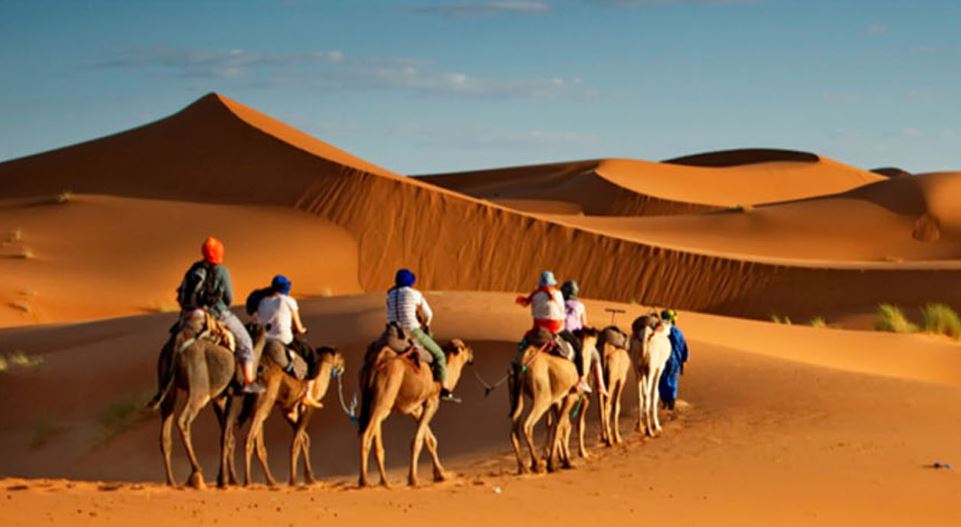
But adventure in the Abu Dhabi desert isn’t limited to high-speed rides. For a slower and more traditional experience, camel trekking allows visitors to traverse the dunes in the same way Bedouins have done for centuries. Riding a camel through the golden sands at sunset is not only peaceful but also deeply immersive. It offers a moment to reflect, surrounded by the silence and majesty of the desert. These treks often lead to Bedouin-style camps, where guests can enjoy authentic Emirati hospitality.

Overnight desert camping is another must-try experience. Many tour operators offer luxury-style camps complete with comfortable tents, traditional food, live music, and cultural performances like belly dancing or the hypnotic Tanoura dance. Sitting around a campfire under the stars, sipping Arabic coffee, and listening to stories or local music is an unforgettable way to connect with the heritage of the region. The clear desert sky, free from the lights of the city, reveals a stunning blanket of stars that is a highlight for many visitors.

Umrah Package from Dubai UAE

For the adventurous at heart, sandboarding is a unique activity that mirrors snowboarding but on the warm, soft dunes of the desert. Whether you’re a seasoned boarder or a first-timer, gliding down the slopes is both thrilling and surprisingly accessible. Other activities like quad biking and fat biking add to the variety of desert sports available, giving visitors plenty of options to explore the terrain in new and exciting ways.

Umrah Visa from Dubai UAE

Beyond the adrenaline and outdoor sports, the desert of Abu Dhabi offers a chance to learn about the environment and its delicate ecosystem. Desert safaris often include nature walks or guided tours that educate travelers about desert flora and fauna. It’s surprising to many just how much life exists in this harsh climate, from the resilient ghaf tree to creatures like the Arabian oryx and sand gazelles. Eco-conscious tours are increasingly popular, focusing on conservation and sustainable tourism.

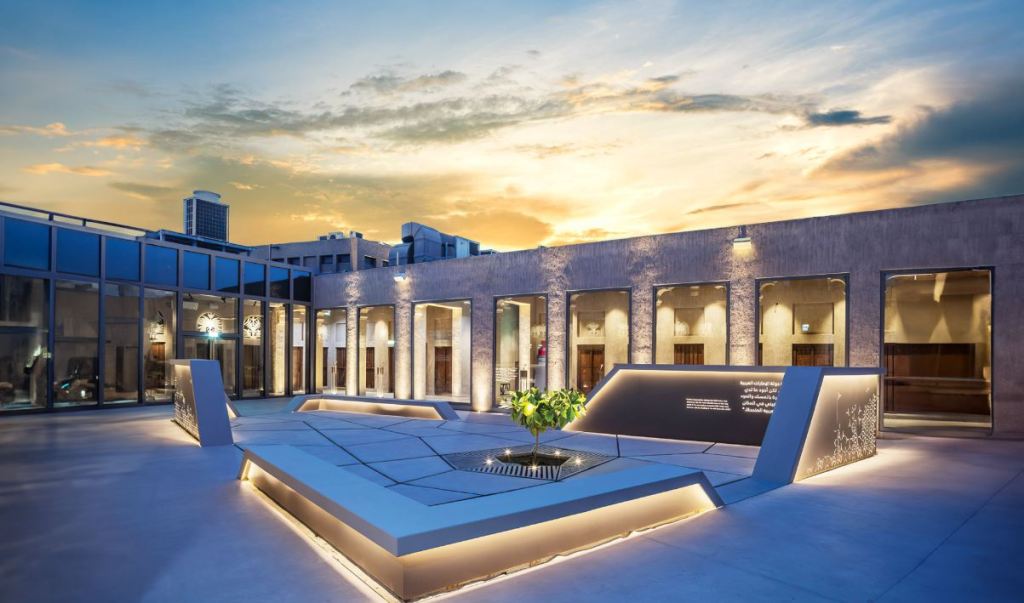
Al Shindagha Museum Dubai Creek

Al Shindagha Museum, located along the banks of Dubai Creek in the historic Al Shindagha district, is one of the most culturally significant landmarks in the United Arab Emirates. It serves as a living chronicle of Dubai’s transformation from a modest fishing village to a dynamic global city. Spanning a collection of beautifully restored heritage houses, the museum offers visitors a deep dive into the Emirati way of life, with a focus on traditions, innovation, and community values that have shaped the nation over the decades.

Umrah Package from Dubai

At the heart of the museum is the “Dubai Creek: Birth of a City” pavilion, which introduces visitors to the central role the creek has played in the city’s development. The creek was the lifeline of old Dubai, facilitating trade, fishing, and pearling, which were once the main sources of income for its inhabitants. Through a rich blend of multimedia exhibits, archival footage, and storytelling, this section of the museum presents an immersive experience that highlights how Dubai’s geography and natural resources influenced its social and economic growth.

Umrah Package from Sharjah

Another key attraction of Al Shindagha Museum is the Perfume House. This unique gallery explores the art and significance of perfume-making in Emirati culture. Traditional scents such as oud, musk, and rose play an important role in social customs, religious practices, and personal identity in the UAE. The Perfume House not only showcases ancient tools and techniques used in the distillation and blending of fragrances but also allows visitors to engage their senses through interactive displays. It offers insight into how these practices have been passed down through generations and remain relevant in modern Emirati households.

In addition to thematic houses like the Perfume House, Al Shindagha Museum also features exhibits on intangible heritage, including storytelling, poetry, music, and oral traditions. These elements are essential to understanding the soul of Emirati culture. Visitors can listen to recordings of traditional songs, view performances of folkloric dances, and even participate in workshops that teach crafts such as weaving and pottery. By offering these hands-on experiences, the museum fosters a deeper appreciation of the country’s cultural fabric, especially for younger generations and international visitors unfamiliar with the region’s heritage.

Umrah Package by Bus from Dubai

The architecture of the museum itself is a testament to traditional Emirati building styles, with wind towers, coral stone walls, and wooden beams creating a visually striking and environmentally responsive space. Walking through the museum complex feels like stepping back in time, as the restored homes and narrow alleys reflect the atmosphere of old Dubai. The design encourages exploration and connection, making the museum not just a place to observe but a space to experience history in a personal and tangible way.

Umrah Package by Air from Dubai

What sets Al Shindagha Museum apart from other cultural institutions is its holistic approach to storytelling. Rather than focusing solely on historical artifacts, the museum weaves together personal stories, interactive technologies, and community narratives to present a comprehensive portrait of life in the Emirates. Its goal is not only to preserve history but to present it as a living, evolving legacy that continues to influence the UAE’s present and future.

Design a site like this with WordPress.com
Get started